All posts by Noamaan Wison-Baig

Unknown's avatar

About Noamaan Wison-Baig

I am an Academic Clinical Fellow in Anaesthesia and a former Pharmacist. I have an interest in transfer medicine and pre-hospital medicine, and research. My Twitter handle is @LeDyslexicMedic

Article Review: SGLT2 Inhibitor Withdrawal and Its Impact on Heart Failure Outcomes

With Additional Considerations for Patients Undergoing General Anaesthesia for Surgery

Noamaan Wilson-Baig

Paper Reviewed – Nakagaito, M., et al. “Impact of SGLT2 Inhibitor Withdrawal on Heart Failure Outcomes.” Journal of Clinical Medicine. 2024 May 29;13(11):3196. doi: 10.3390/jcm13113196 https://pmc.ncbi.nlm.nih.gov/articles/PMC11172815/


Objective:
This study assessed the effects of discontinuing sodium-glucose co-transporter 2 inhibitors (SGLT2i) on hospitalization rates and medical costs in heart failure (HF) patients.

Key Findings:
Hospitalization Rates:

Patients who discontinued SGLT2i had higher all-cause hospitalization rates compared to those who continued therapy (74.5% vs. 57.8%).
The withdrawal was independently associated with increased hospitalizations (hazard ratio 1.41, p < 0.05).
Heart failure-related readmissions were significantly higher in the withdrawal group (21.6% vs. 7.5%, p = 0.007).


Medical Costs:

Despite differences in hospitalization rates, the two groups had no significant difference in total medical costs.
The withdrawal group had higher costs for HF-related hospitalizations, while the continuation group had higher costs for cardiovascular disease-related hospitalizations.


Clinical Implications:

SGLT2i withdrawal may lead to increased hospitalizations, particularly for HF and non-cardiovascular conditions, without reducing overall medical costs.
The pleiotropic effects of SGLT2i, including its anti-inflammatory and renal protective properties, may reduce these adverse outcomes.

Study Design:
– This was a single-centre, retrospective observational study involving 212 HF patients who initiated SGLT2i during hospitalization.
– Patients were followed for a median of 695 days.
– The primary outcome was all-cause hospitalization, and secondary outcomes included HF-specific hospitalizations and medical costs.

Limitations:
Non-randomized Design: Selection bias and confounding factors may have influenced outcomes.
Single-Center Study: Results may not be generalizable to all populations.
Heterogeneity of SGLT2i Used: Different drugs within the class may have varying effects.


Conclusions:
The study concluded that continued SGLT2i therapy reduces hospitalization events in HF patients without increasing medical costs. Discontinuation of SGLT2i is associated with higher HF-related and non-cardiovascular hospitalizations, highlighting the need for cautious evaluation before withdrawal.

Reference:
Nakagaito, M., et al. “Impact of SGLT2 Inhibitor Withdrawal on Heart Failure Outcomes.” Journal of Clinical Medicine. Available at: https://pmc.ncbi.nlm.nih.gov/articles/PMC11172815/.

Critical Analysis of this Study


Strengths

  1. Relevance to Clinical Practice:
    • The study investigates a critical gap in HF management: the consequences of withdrawing SGLT2 inhibitors, a commonly prescribed drug class with proven benefits in HF management.
    • Its focus on real-world data provides insights beyond controlled randomized trials.
  2. Robust Outcomes:
    • The study evaluates clinically meaningful outcomes, such as all-cause hospitalizations, HF-related readmissions, and medical costs.
    • The extended follow-up period (median 695 days) strengthens its conclusions on the chronic impact of withdrawal.
  3. Comprehensive Data Collection:
    • The authors considered multiple confounding factors, including NYHA class, eGFR, and HF medication regimens, included in multivariable analyses.
    • Including non-cardiovascular hospitalizations provides a holistic view of the impacts of SGLT2i withdrawal.

Limitations

  1. Observational Design:
    • The non-randomized, single-centre design introduces selection bias and limits causal inference.
    • Withdrawal group patients were older and had worse baseline conditions (e.g., higher BNP levels), making direct comparisons with the continuation group less robust.
  2. Sample Size and Generalizability:
    • The sample size (n=212) is modest, especially for subgroup analyses.
    • The single-centre study in Japan limits generalizability to broader populations with different healthcare systems or practices.
  3. Uncontrolled Confounders:
    • Patients in the withdrawal group had higher NYHA class III/IV symptoms and more comorbidities, potentially driving higher hospitalization rates independently of SGLT2i discontinuation.
    • Other HF therapies were adjusted during follow-up, which could confound the observed effects.
  4. Economic Analysis:
    • The medical cost analysis is limited by significant heterogeneity in hospitalization events and treatments.
    • The cost findings may not apply to other healthcare systems with different pricing and reimbursement structures.
  5. Limited Exploration of Causal Mechanisms:
    • While the study mentions the pleiotropic effects of SGLT2 inhibitors, it does not delve into the specific physiological reasons for the observed increase in non-cardiovascular hospitalizations post-withdrawal.
  6. Limited Categorisation of Patients Who Stopped SGL2:
    • The study does not explicitly categorize or isolate those who stopped SGLT2i exclusively due to critical illness. The reasons for withdrawal are listed collectively (e.g., urinary tract infections, fasting, etc.), suggesting that some patients in the withdrawal group may have stopped the therapy for reasons unrelated to acute critical illness. This lack of specific categorization is a limitation when interpreting the study’s findings regarding critical illness as a direct cause of SGLT2i withdrawal.

Interpretation of Results

The study confirms that discontinuation of SGLT2 inhibitors in HF patients is associated with worse outcomes, specifically increased hospitalization rates. However, the findings must be interpreted cautiously due to the observational nature and inherent biases.

The lack of significant differences in total medical costs between groups is intriguing. It suggests that while HF readmissions increase with SGLT2i withdrawal, these costs may be offset by fewer high-cost cardiovascular interventions (e.g., device implants) in the withdrawal group, possibly reflecting poorer candidates for such therapies.


Bottom Line

This study provides valuable real-world evidence that discontinuing SGLT2 inhibitors in HF patients can lead to worse clinical outcomes, notably higher HF-related and non-cardiovascular hospitalizations, without reducing overall healthcare costs. While it highlights the risks of abrupt withdrawal, its observational design and confounders limit causal inference. Future randomized controlled trials or more extensive multicenter studies must confirm these findings and provide evidence-based guidelines on managing SGLT2i therapy during acute or critical illness.

Takeaway: Whenever feasible, the continuation of SGLT2 inhibitors should be prioritized in HF management, and withdrawal should be carefully evaluated on a case-by-case basis, considering the potential risks of increased morbidity.

Key Considerations for patients on SGL2 having general anaesthesia for surgery

  1. Risks of SGLT2i During Perioperative Period:
    • Euglycemic Diabetic Ketoacidosis (euDKA): SGLT2i increases the risk of euDKA, especially during periods of fasting, reduced caloric intake, or physiological stress, which are common in the perioperative setting. This is a significant concern for patients undergoing surgery.
    • Volume Depletion: SGLT2i promotes osmotic diuresis, leading to dehydration and haemodynamic instability, especially if fluid intake is restricted before surgery.
  2. Benefits of Continuing SGLT2i:
    • SGLT2i have significant cardiovascular and renal protective effects, particularly in heart failure (HF) patients. Abrupt withdrawal may increase the risk of HF exacerbations and hospitalizations, as evidenced in the study.
    • Although this has not been specifically studied, their anti-inflammatory and oxidative stress-reducing properties could theoretically provide perioperative benefits.
  3. Anything this study provides for Anaesthetists?:
    • The study indicates that discontinuation of SGLT2i is associated with increased all-cause and HF-specific hospitalizations. However, the study did not specifically evaluate patients undergoing surgery or assess outcomes related to perioperative SGLT2i use.
    • Withdrawal during hospitalization, particularly in acutely ill patients, was linked to worse outcomes. This suggests caution when stopping SGLT2i, even during physiological stress like surgery.

Clinical Guidelines, Recommendations and Further Research

Most current guidelines recommend temporarily discontinuing SGLT2i in the perioperative period to mitigate the risk of euDKA and volume depletion. Specifically:

  • Timing: SGLT2i are typically stopped 2-3 days before surgery (or 4 days for ertugliflozin due to its longer half-life) and resumed once the patient is hemodynamically stable and can resume oral intake.
  • Monitoring: Blood glucose and ketone levels should be closely monitored during the perioperative period, particularly for signs of ketoacidosis.

These recommendations are aligned with safety practices to minimize serious metabolic complications associated with SGLT2i use during surgery.

Further research

Further research is essential to better understand the short-term and long-term effects of discontinuing SGLT2 inhibitors in the perioperative period. While existing evidence highlights the benefits of SGLT2 inhibitors in heart failure management, their withdrawal during surgery—often due to concerns about euglycaemic diabetic ketoacidosis or haemodynamic instability—remains an underexplored area. Studies are needed to assess the impact of discontinuation on perioperative cardiovascular outcomes, including heart failure exacerbations, arrhythmias, and mortality, as well as metabolic complications. Such research would provide critical insights to guide evidence-based recommendations for the safe and effective perioperative management of patients taking SGLT2 inhibitors.


Conclusion

While the study highlights the risks of SGLT2i discontinuation in HF patients, the perioperative context involves unique risks such as euDKA, dehydration, and haemodynamic instability, which justify the temporary withdrawal of these medications. Patients should generally stop taking SGLT2i before surgery, requiring general anaesthesia, but with careful monitoring and prompt resumption once it is safe. The decision should always be individualized, weighing the risks of continuation (euDKA and volume depletion) against the potential for HF exacerbation, particularly in high-risk patients.

Disclaimer

The content of this document reflects the personal views, considerations, and thoughts of the author, a practising critical care doctor and anaesthetist. The information provided is intended for informational purposes only and should not be interpreted as professional advice or formal guidance.

This document has not been peer-reviewed, and its content should not be used as a substitute for established clinical guidelines or expert consultation. Readers are advised to exercise their own professional judgement and consult relevant evidence-based resources or guidelines when making clinical decisions. The author does not accept liability for any consequences arising from using the information presented in this document.
Midwinter Festivities: Echoes of Light and Shadow

For millennia, the middle of winter has been a time of reckoning with nature’s cruel indifference and, paradoxically, a celebration of human resilience and hope. Across the ancient world, diverse cultures crafted midwinter rituals to console themselves in the face of darkness and cold, toasting the survival of life itself and kindling dreams of renewal. These celebrations, rich in symbolism and layered with meaning, form the roots of many traditions we now associate with Christmas.

Yule: The Norse Embrace of Fire and Fertility
Let us start in Scandinavia, where the Norse celebrated Yule, the Winter Solstice, as the year’s pivot. From 21st December to early January, fires roared across the snow-covered north, their crackling logs embodying warmth, survival, and the promise of fecundity. The Yule log—an iconic ritual object—was not just a source of heat but a harbinger of hope. Each spark leaping from the flames was thought to herald the birth of a calf or pig, a flickering assurance that life would prevail against winter’s icy grip.

But Yule was also profoundly existential. It marked not merely the passing of the year’s darkest days but a triumph over the indifference of nature. Fortified with feasts and mead, the celebrants toasted their survival as they honoured their bond with the cycles of the natural world, a reminder of their dependence on the earth’s rhythms.

Oden and the Shadowed Skies of Germany
In the forests and meadows of ancient Germany, midwinter was a time of both awe and fear. The god Oden—enigmatic and omnipresent—was believed to ride through the night skies, his inscrutable gaze judging all below. Would you thrive, or would you perish? Such was the weight of Oden’s scrutiny that people huddled indoors, wary of venturing out into the perilous cold.

Here, the darkness was not merely physical but metaphysical, a stage for primal anxieties about mortality and fate. Yet, even in this foreboding narrative, there was a glimmer of reverence. Oden’s flight was a recognition that human lives were entwined with forces far beyond their control, a relationship that demanded both fear and respect.

The Fearsome Krampus: A Morality Tale of Midwinter
Now, we enter the more macabre territories of Austro-Bavarian folklore, where Krampus—the half-goat, half-demon—stalked the imagination of children and adults alike. Krampus was not a figure of consolation but of consequence. For those who misbehaved, there was no reprieve: this fearsome creature would deliver coal at best and abduction at worst.

Krampusnacht, celebrated on 5th December, fused pagan roots with Christian morality. The spectacle of Krampus parading through the streets, his twisted horns and malevolent grin illuminated by flickering torchlight, was both a warning and a communal catharsis. Schnapps offerings and eerie Krampuskarten (greeting cards) tempered the fear with festivity, a ritual acknowledgement of human imperfection.

Rome: The Hedonism of Saturnalia and the Sacred Mithra
In Rome, where winters were less severe but no less symbolically potent, midwinter was a time of unbridled revelry. Honouring Saturn, the god of agriculture, Saturnalia turned the societal order on its head. Enslaved people were granted temporary freedom, masters served meals, and the usual hierarchies dissolved in a haze of food, wine, and laughter.

Parallel to Saturnalia was Mithraism, whose followers celebrated the birth of Mithra, the god of the unconquerable sun, on the 25th of December. This date was sacred for them, embodying the eternal struggle between light and darkness. The Roman aristocracy, too, marked this time with Juvenalia, a feast for the city’s children, underscoring the themes of renewal and continuity.

Diversity and the Transformation of Christmas
In more recent history, the increasing diversity of global societies has further enriched the tapestry of Christmas. As cultures and religions intermingled through migration, trade, and colonisation, traditions worldwide have left their mark on this midwinter festival. For example, the Hindu festival of Diwali, focusing on light triumphing over darkness, echoes in Christmas lights illuminating streets and homes. The celebration of Hanukkah in Jewish tradition, emphasising family, candles, and resilience, has similarly contributed to the spirit of togetherness that defines Christmas. The culinary influences—such as the integration of Middle Eastern spices or African music and dance traditions—have been woven into modern festivities’ fabric. Christmas, once a primarily Western festival, has transformed into a global celebration reflecting human culture’s interconnectedness.

Christmas: The Layers of History
What, then, is Christmas but a tapestry woven from these diverse threads? The roaring Yule log, the moral tales of Krampus, the reversal of fortune in Saturnalia, and the sacred reverence of Mithra all find echoes in the modern celebration. Yet, what unites these disparate traditions is their shared response to winter’s darkness. Each, in its own way, sought to affirm life’s vitality, to impose meaning upon nature’s indifference, and to forge connections between the celestial and the earthly.

Historians believe that history is not merely a chronicle of events but the telling of stories that help us understand who we are. The midwinter celebrations, with their intermingling of fear, joy, hope, and resilience, remind us of our enduring need to find light in the darkness and celebrate the miracle of survival above all.

Merry Christmas and Peace be to you all

My experience as a Volunteer Doctor at the Birmingham 2022 Commonwealth Games

Noamaan Wilson-Baig

About me 

I am Noamaan Wilson-Baig, an anaesthesia and intensive care consultant at Wrightington, Wigan and Leigh NHS Foundation Trust. I am also an Emeritus doctor with East Anglian Air Ambulance and a council member of the Central Area division of the British Boxing Board of Control. I am due to start a role as a Medical Emergency Response Incident Team doctor with the North West Ambulance Service. Before working as a doctor, I was a Pharmacist for fifteen years. 

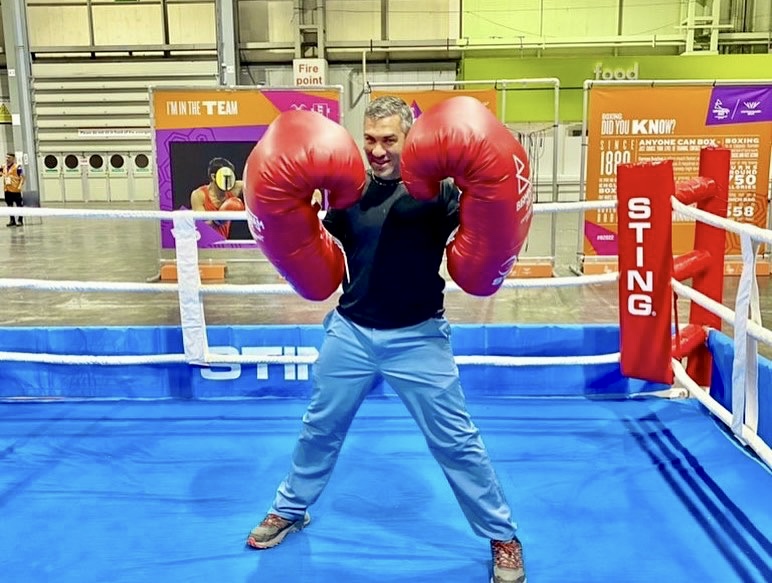
I applied to volunteer at the 2022 Commonwealth Games because I wanted to be part of something special. I wanted to experience the same fantastic opportunities as the volunteers from the 2012 Olympic games and showcase my skills as a pre-hospital doctor while acquiring new skills. Most importantly, I would meet some amazing people while on my Commonwealth Games journey. As part of the volunteer commonwealth collaborative medical team, I aimed to provide safe and healthy games. 

Application process

The application process began around 18 months before the start in late July 2022. I was a late applicant to the process. Unlike others who had to wait a while before hearing from the applications team, I was lucky to get a prompt response and was called for an interview. All applicants had to create a profile, including uploading a photographic ID and identity verification. All candidates had to answer questions about why they wanted to volunteer at the Birmingham 2022 games and what skills they could provide.

My interview was conducted via Zoom by a senior member of the medical team. The interview was an informal process which allowed the interviewer to find out about me and what I could bring to the games. My CV was explored, and there were some clinical-based questions. Those who had a face-to-face interview in Birmingham could explore the venues that would be used during the games and meet with other potential candidates.

Before the Games

Before the games, all volunteers had to attend some key training events in Birmingham. These included role-specific training and venue-specific training. The role-specific training was a half-day session and involved people from various sectors (medical, media, supporter services etc.). The role-specific training allowed volunteers to get a feel for the specific roles they would be undertaking at the Birmingham 2022 games. It was also an opportunity to meet fellow volunteers undertaking different parts. This was a perfect opportunity for volunteers to get a detailed brief of their role and what would be expected of them. The venue-specific training was held at venues where volunteers would spend most of their time at the games. In my case, I was appointed field of play team leader for boxing; therefore, my venue-specific training was held at the NEC. However, I was also due to cover the opening ceremony, netball, table tennis and cricket. The opening ceremony was held at the Alexander Stadium, while the cricket was held at Edgbaston Stadium.

The training events allowed me to meet with other volunteers, share experiences, and explore the logistics of accommodation, parking and travel to the venues. Unfortunately, the organising committee had not accommodated the volunteers, so this was a logistical challenge. However, all volunteers were given a free bus pass to travel from their residence to the venue where they would be volunteering. All necessary equipment and meals for when we were on shift would be provided. 

Although the games’ training events were helpful in some respects, I was unclear about the anatomy of a shift during the games and the exact processes involved should a critical event occur. The one thing that was made clear was that there were two discrete medical teams; one would cater for athletes on the field of play, while the other would cater for spectators. There would not be any cross-over of care unless there was an absolute life-threatening emergency.

To manage some of the concerns raised by volunteers, the organising committee set up WhatsApp groups for the various venues. It informed us of some unofficial Facebook pages to assist volunteers in finding and sharing information relating to volunteering at the games. I found this very helpful. Excellent advice was provided by those volunteers who had worked at previous games or significant events and those individuals who lived in the Birmingham area. Like most volunteers, I had not considered the financial logistics of volunteering at the games. Some individuals reported spending thousands of pounds on accommodation and taking unpaid leave. This was a real challenge for me as I could not afford this amount considering the current climate. I also lived in Manchester, so commuting would’ve been challenging. There was a point where I felt I might have to withdraw from the process due to the possibility of spiralling costs.

Fortunately, I could take leave from work, and a very close friend let me stay with him and his family in Bromsgrove, Birmingham, for the duration of the games. He also organised someone to taxi me to the various venues I would attend. I am so grateful for this support. Many others had similar support as me. It demonstrated how people came together to ensure the success of a global event. As a result, the total cost to me for the ten days was around £300. For anyone considering volunteering at large events, I would recommend considering the financial implications of volunteering as early as possible in the application process and what you can do to keep costs to a minimum.

The rosters for the games were released electronically around two months in advance of the start of the games. Volunteers had the opportunity to accept prescribed enrollments or pick up vacant shifts.

During the Games

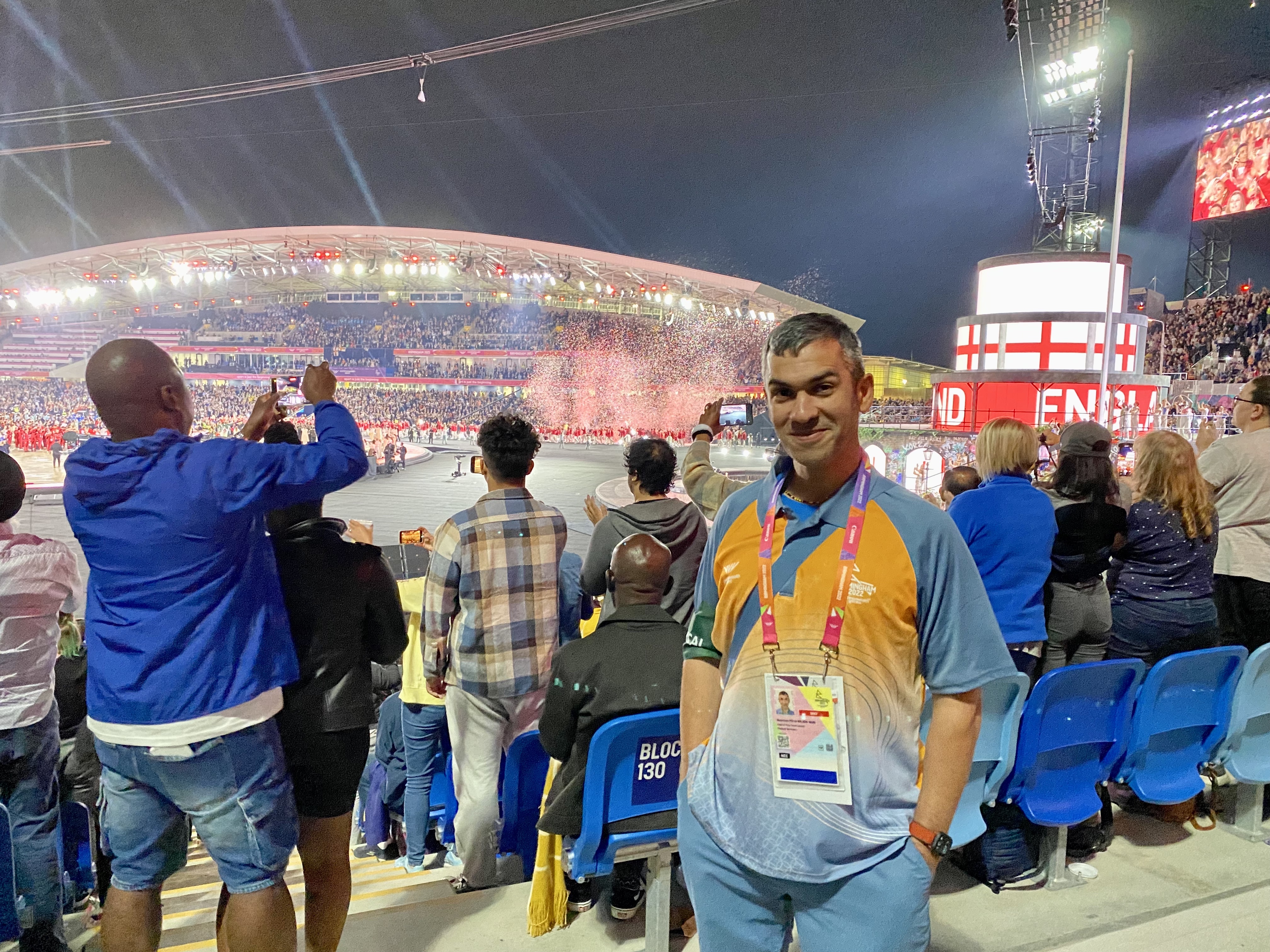
My first shift was at the opening ceremony. I had only watched this on television before, so to experience this live while on duty was a fantastic experience. There was a sense of anticipatory excitement in the air. The success of the opening ceremony was a demonstration of how the city of Birmingham is a true reflection of its Commonwealth communities and how inspiring people created and achieved the story of Birmingham.

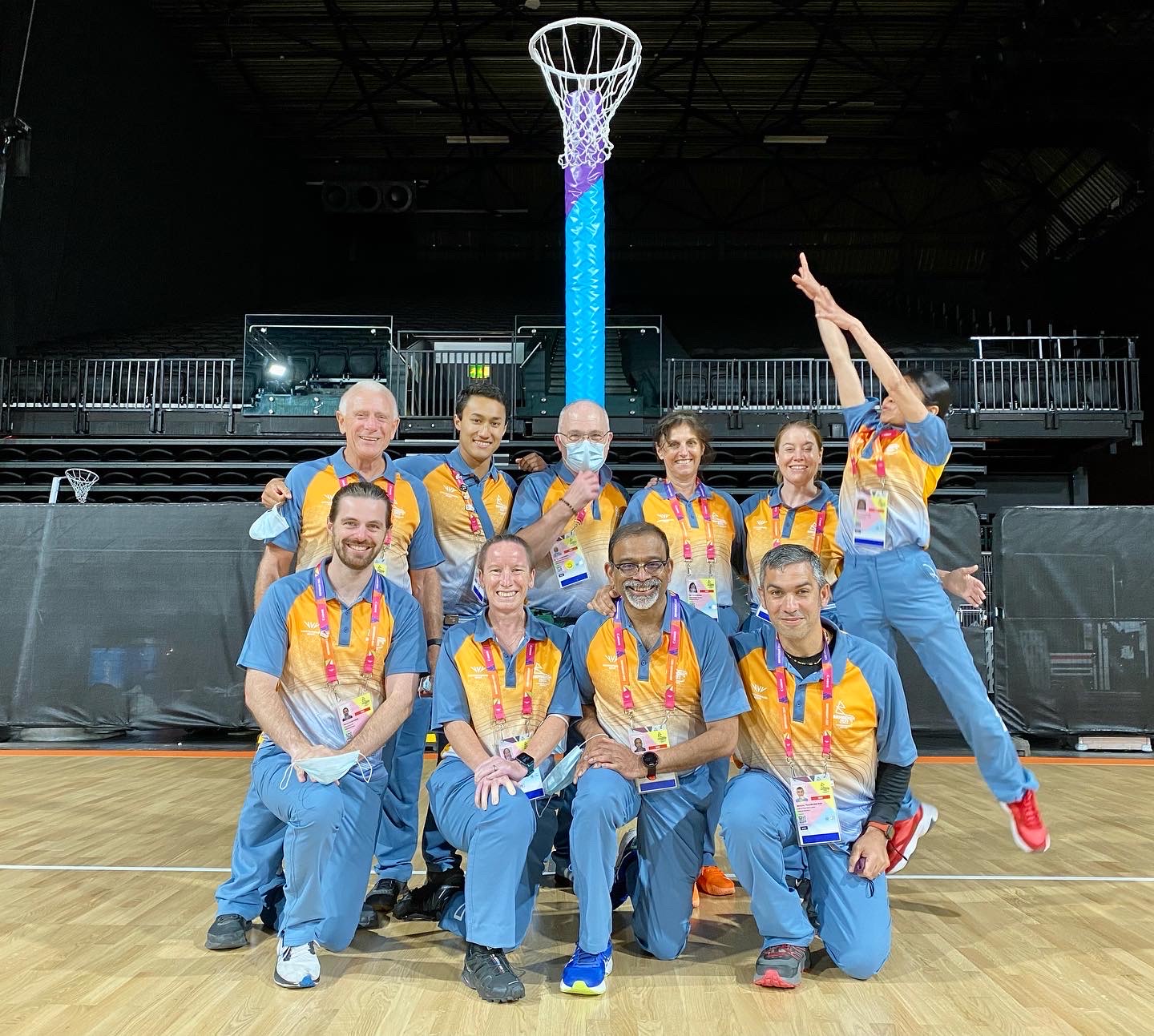
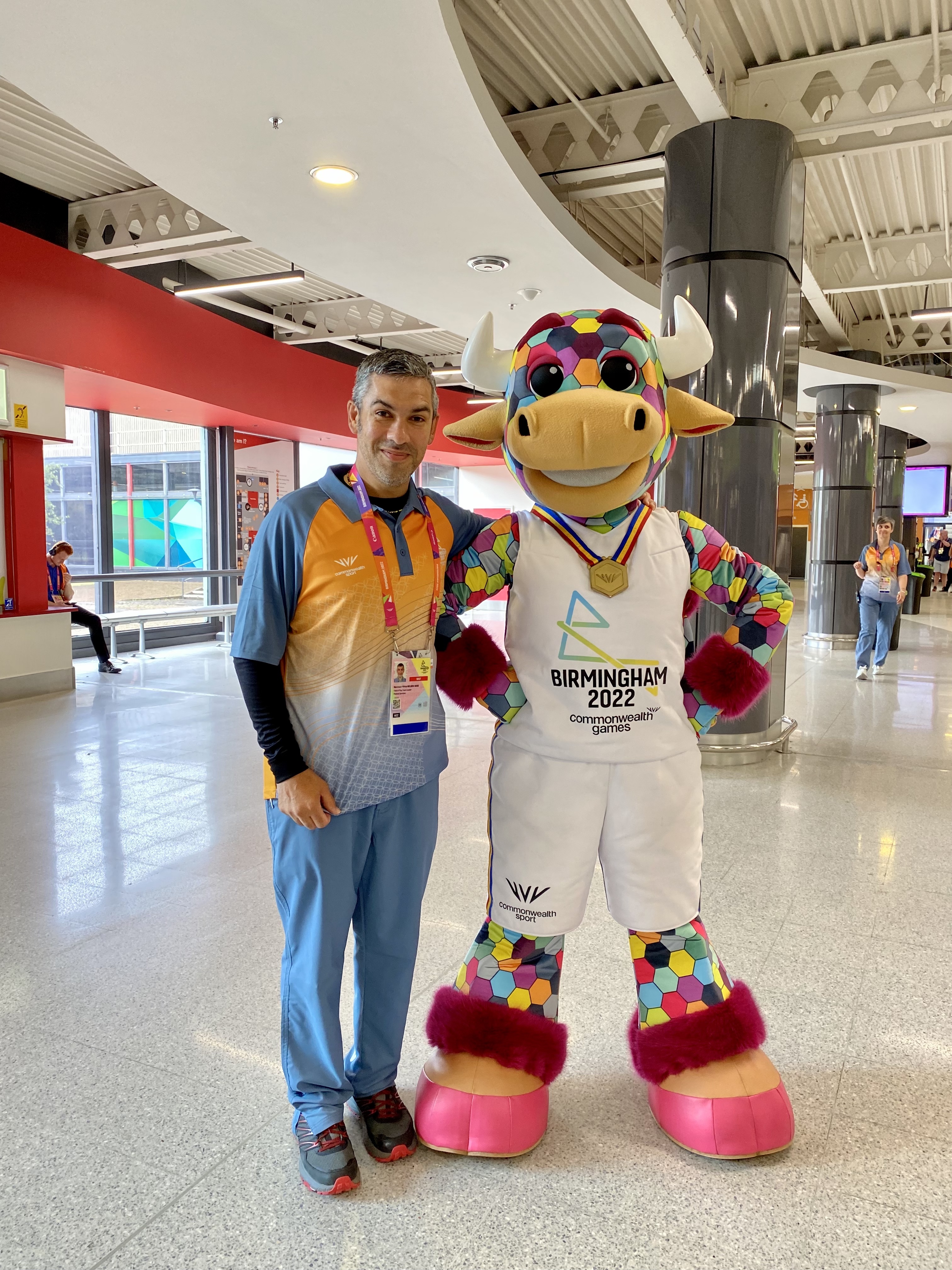
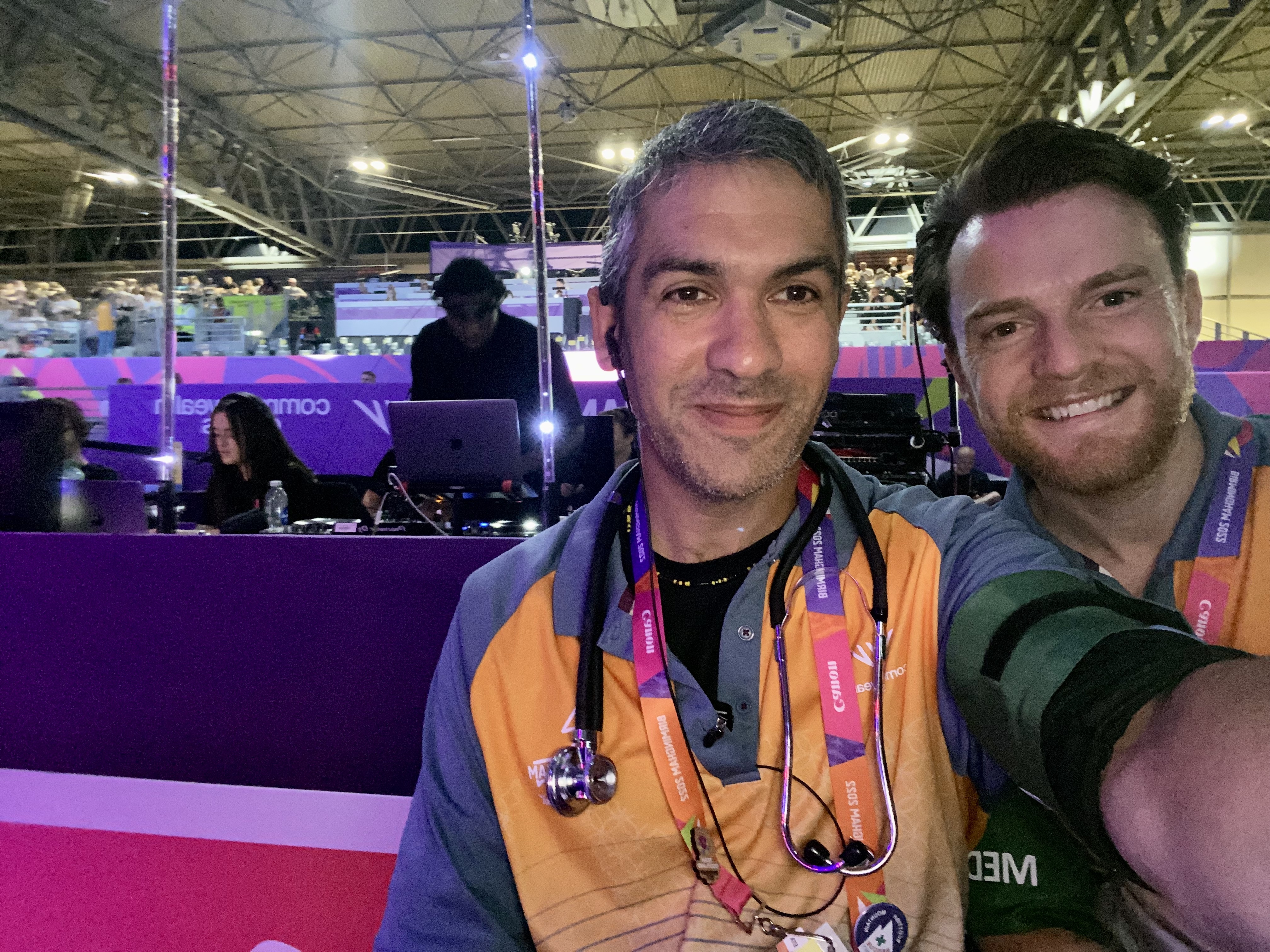
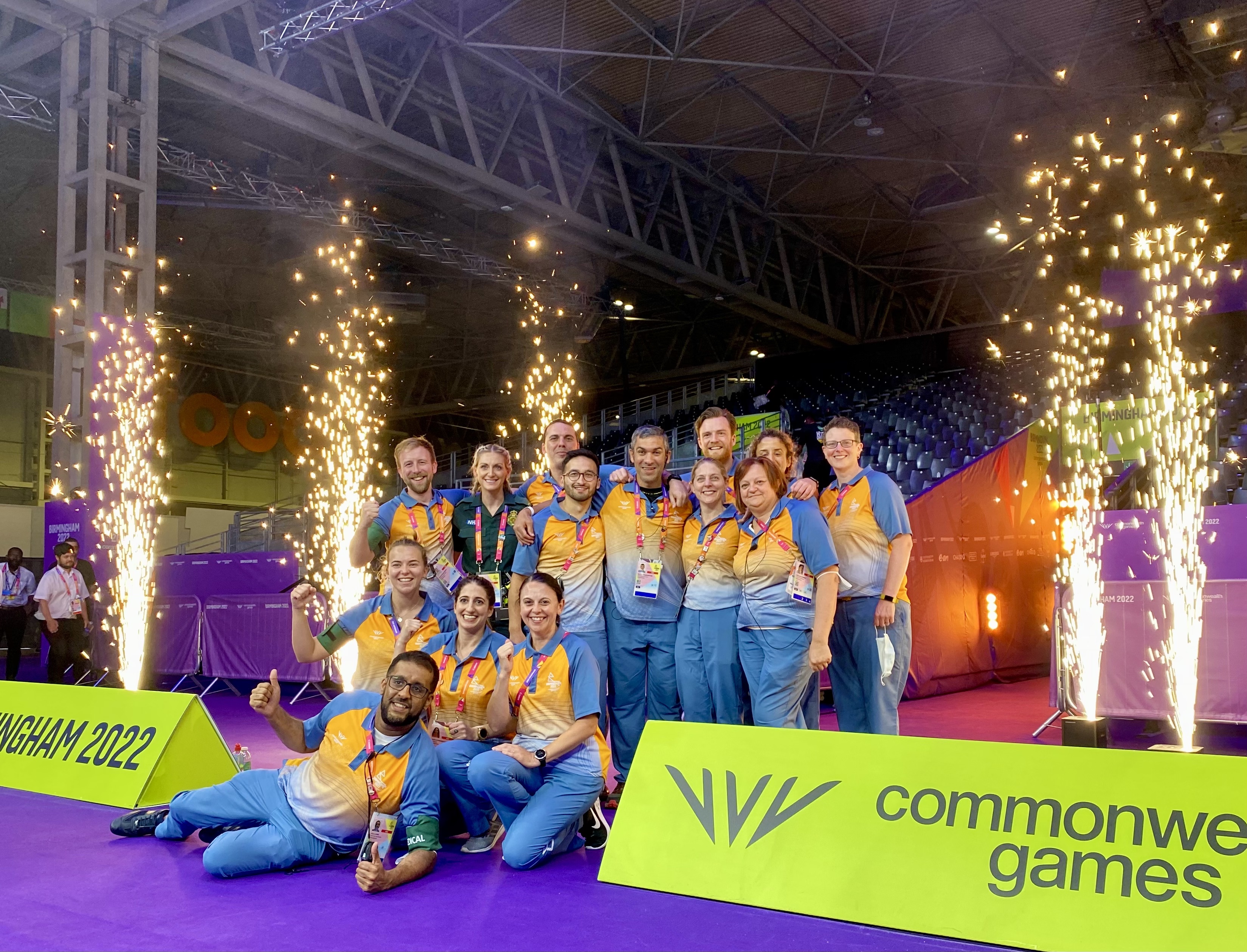
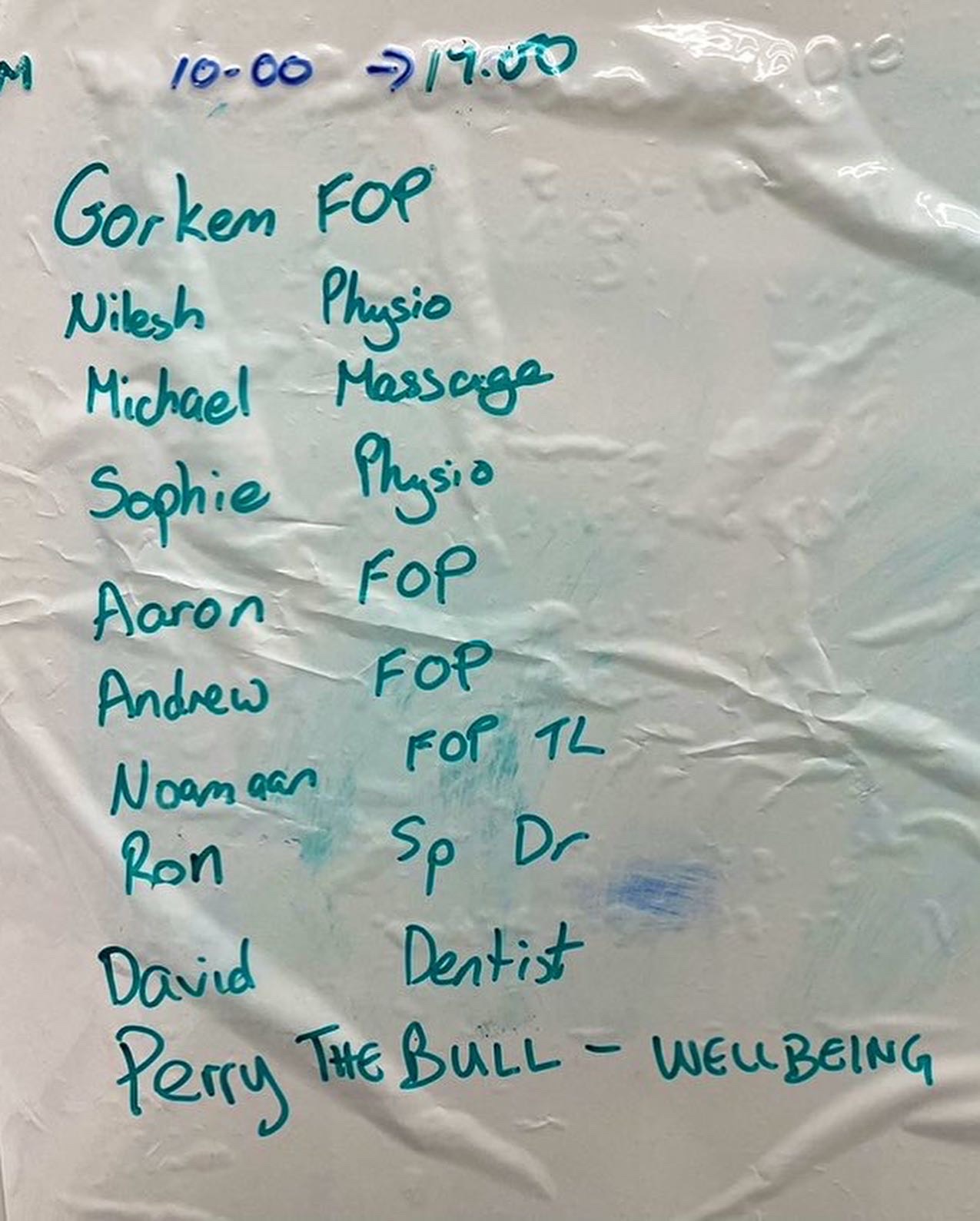
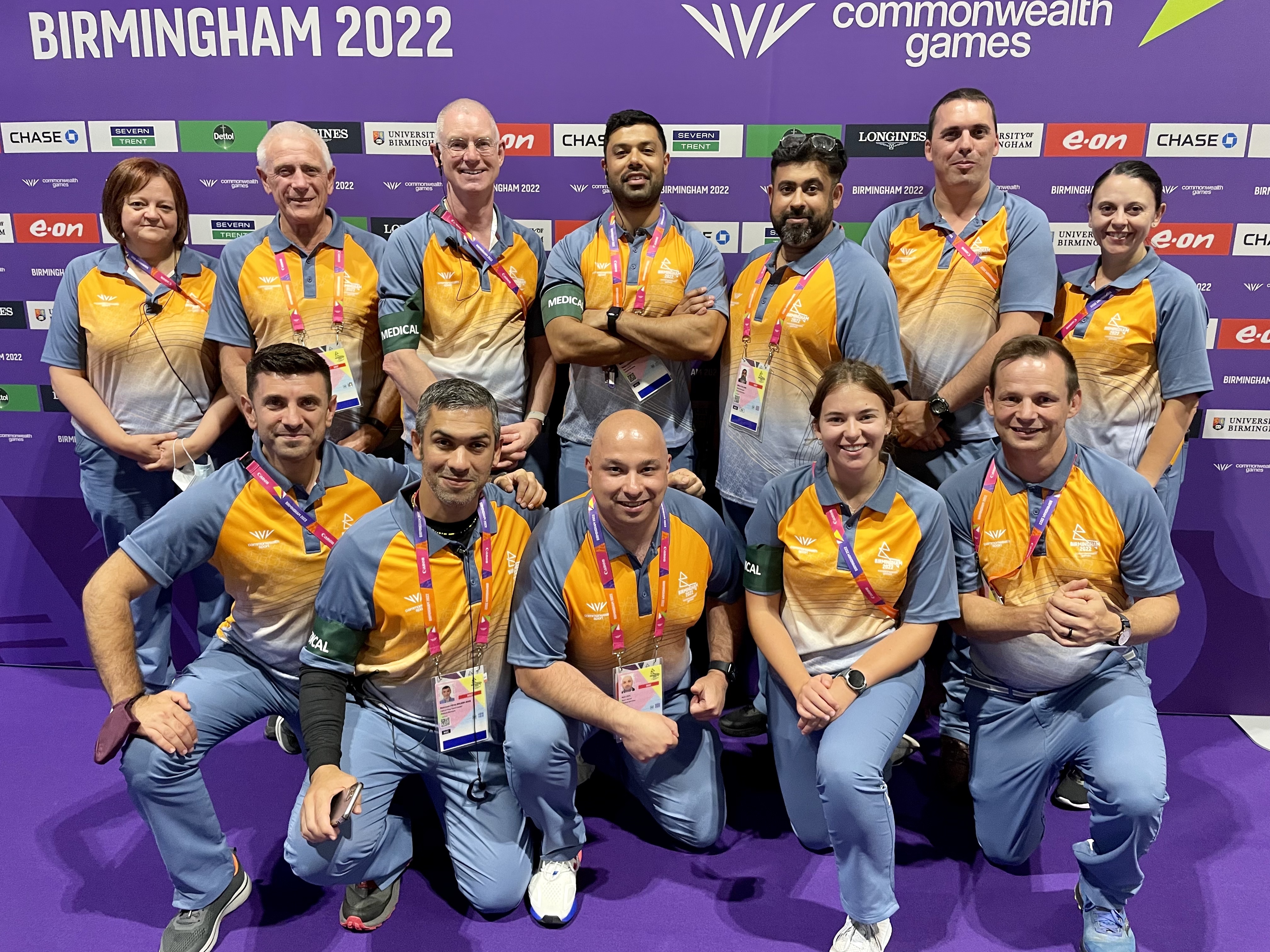
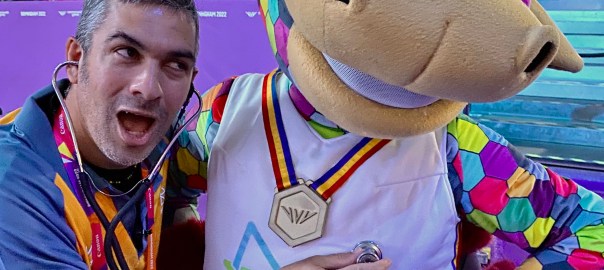
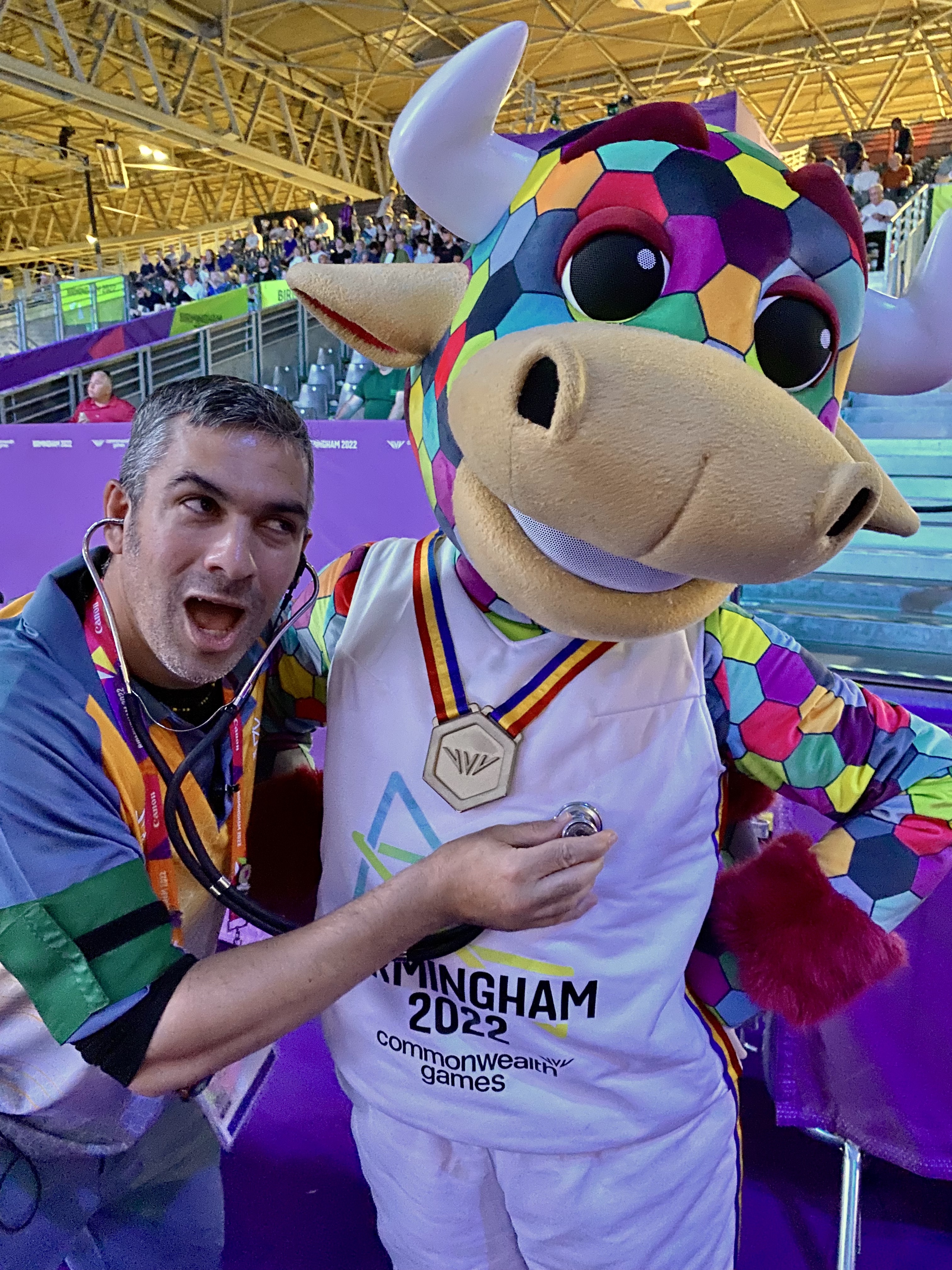
For the rest of the games, I got to work with some amazing people from all walks of life, including athletes, healthcare professionals, actors, prop technicians, security, accreditation team, catering team, games makers and many more…including the legendary Perry the Bull. During events, we were up and close to the action. My role on the field of play was Field of Play Team Leader (FoPTL), the medical team providing care to athletes. At the start of every shift, we would have a team brief to ensure who was present and what skills were available. We would then have a multidisciplinary discussion and simulation with healthcare professionals directly employed by the Birmingham 2022 Games organisation and the emergency services team provided by West Midlands Ambulance Service. This was essential to ensure that we could provide care seamlessly should it be required. As a spectator clinician (SpC), my role was similar to those working in an emergency department in a makeshift medical room. As a roving doctor, I would carry a radio and walk around a pre-defined venue area. This would allow me to be dispatched quickly to a referral from the area I was patrolling. If called, I would conduct a primary assessment and liaise with the game’s medical control room to discuss the next steps. This would be to plan whether the patient should be transported to the medical room for further assessment or to the local hospital via ambulance. 

In total, I covered ten shifts at different venues. The sports I covered as a FoPTL were boxing, netball, and table tennis. As an SpC, I covered cricket, badminton, weight lifting, netball and boxing. I met many athletes and national team medics during my time. I also got to experience sports that I had never watched live, e.g. netball. The atmosphere was electric when England was playing. The Birmingham 2022 Games opportunity also allowed me to explore other areas outside the medical sphere, e.g. the filming and televising of the games. I saw first-hand how sports television is assimilated and put together from various cameras transmitting unfolding events on the field of play. I did not appreciate the logistical intricacies of airing live sports on national and international television. When I was not on shift, I could watch other sports like hockey and basketball held at different venues in Birmingham.

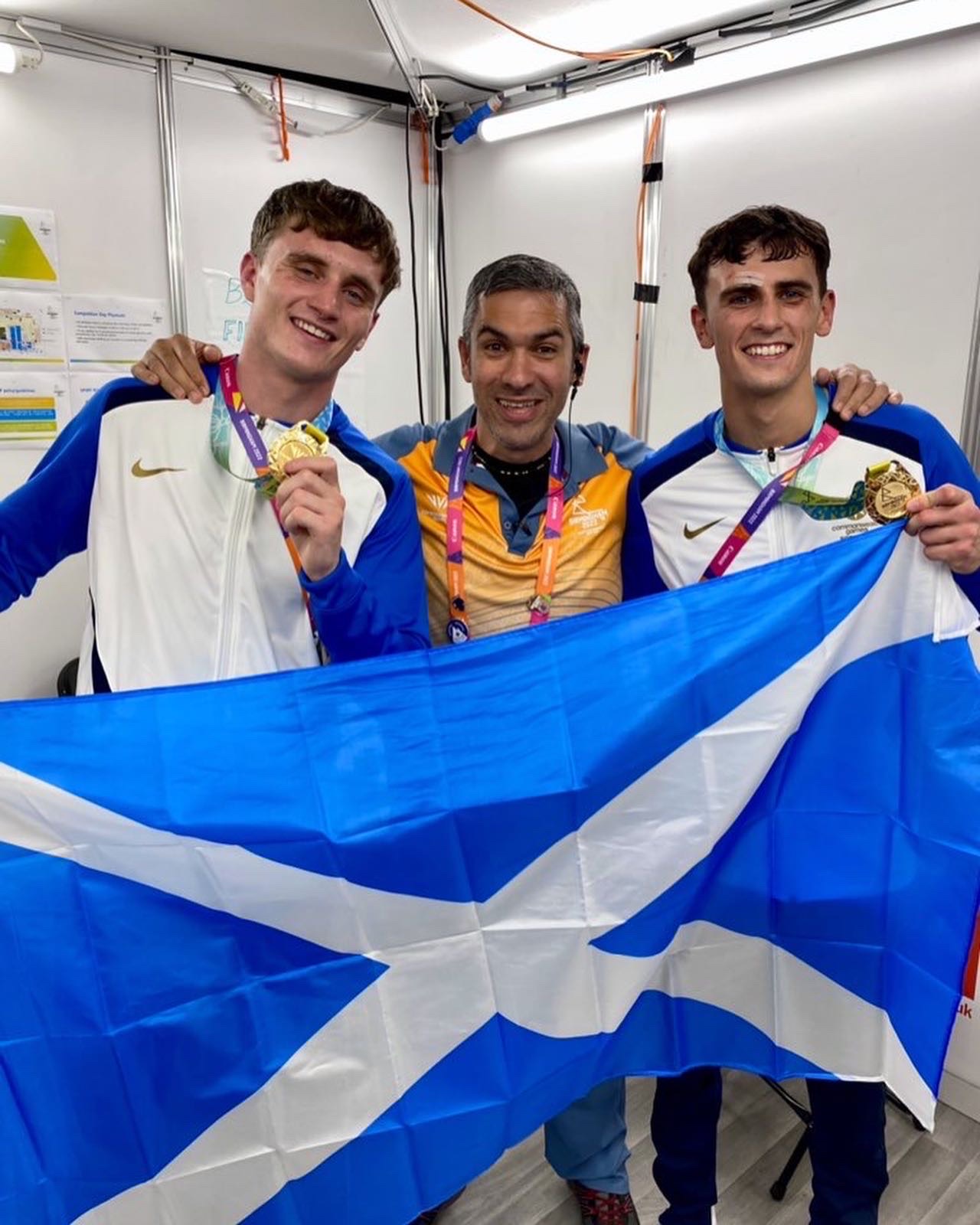
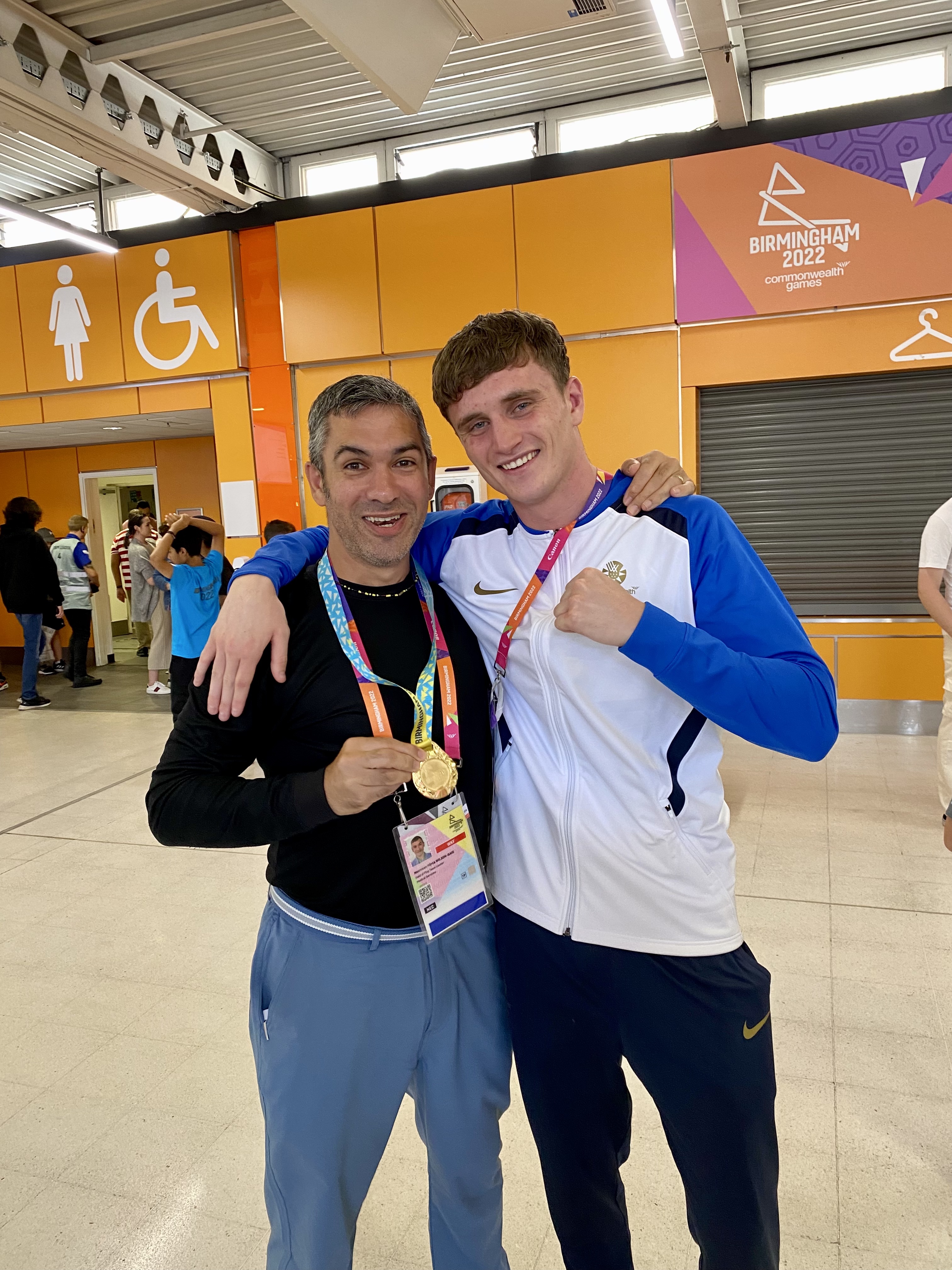
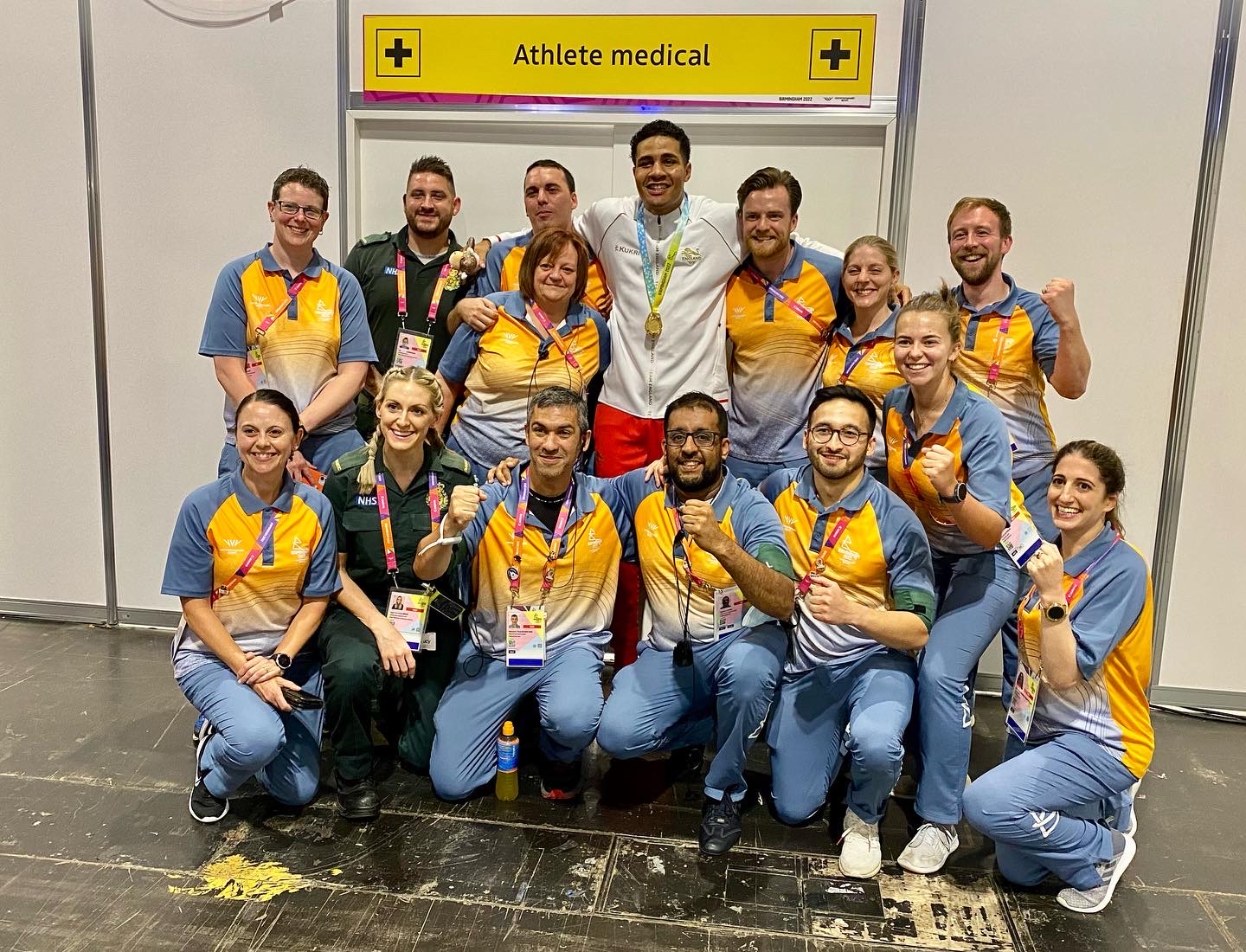
As FoPTL, it was an absolute privilege to see, up close, athletes perform to the highest level in their chosen sport. I witnessed the highs and lows as athletes tried to win medals for their nations. I was fortunate to be rostered on the final day of the games at the boxing, which culminated in Delicious Orie winning the Super Heavyweight Gold. As SpC, it was amazing to experience the electric atmosphere from the crowd at various sports, especially when the home nations were performing. 

After the Games 

I have kept in touch with many fellow volunteers. Using Twitter, Instagram and LinkedIn, I have connected with volunteers and maintained contact long after the Games. I have also been fortunate to be invited to cover amateur boxing events due to the connections I made during the games. The relationships I made while working at the Games have given me excellent opportunities and many memories that will last a lifetime.

Advice to anybody considering volunteering

My advice to anybody considering volunteering would be – GO FOR IT! The Birmingham 2022 experience allowed me to see first-hand the effort and work that goes into putting on a global event and the work athletes do to perform at the highest level. 

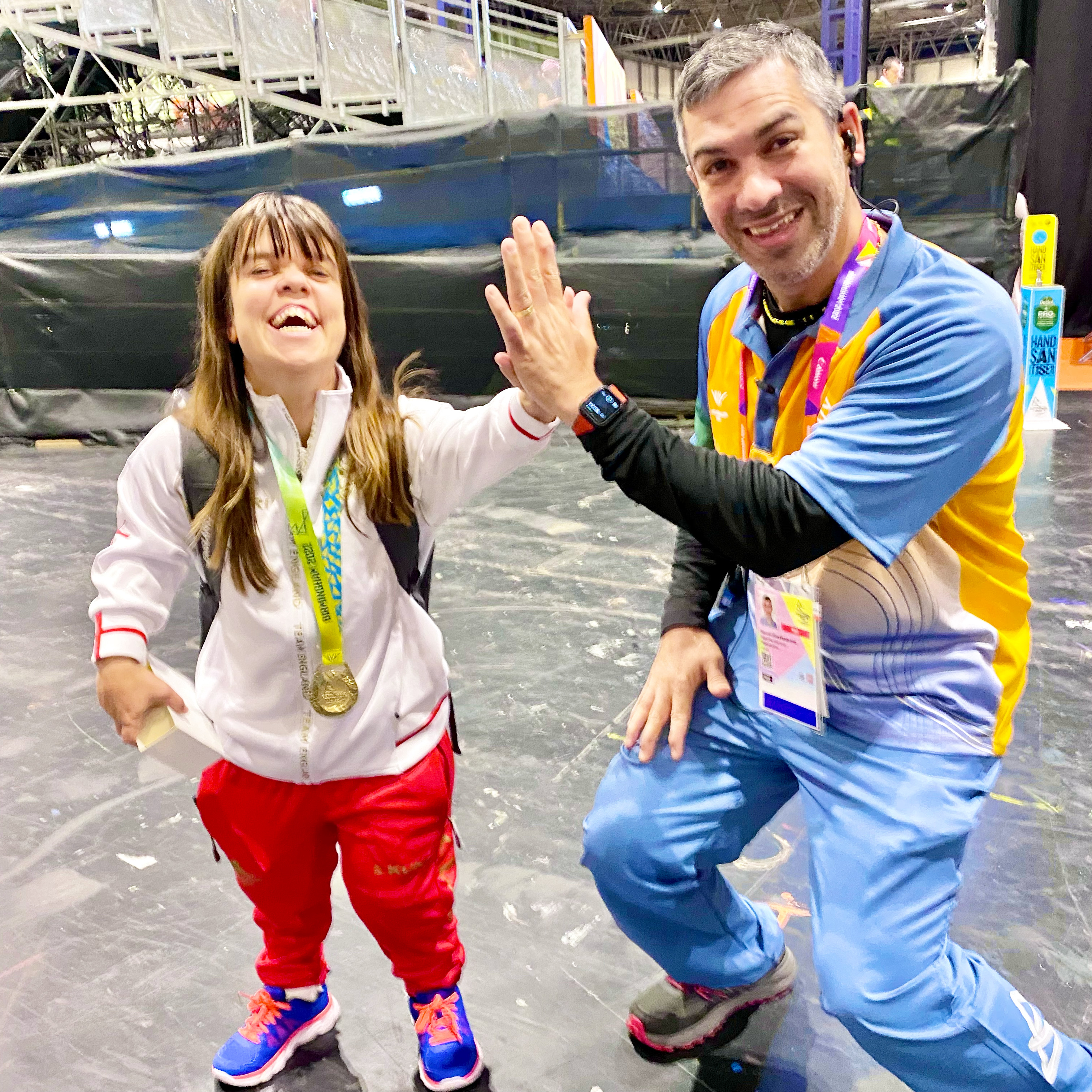
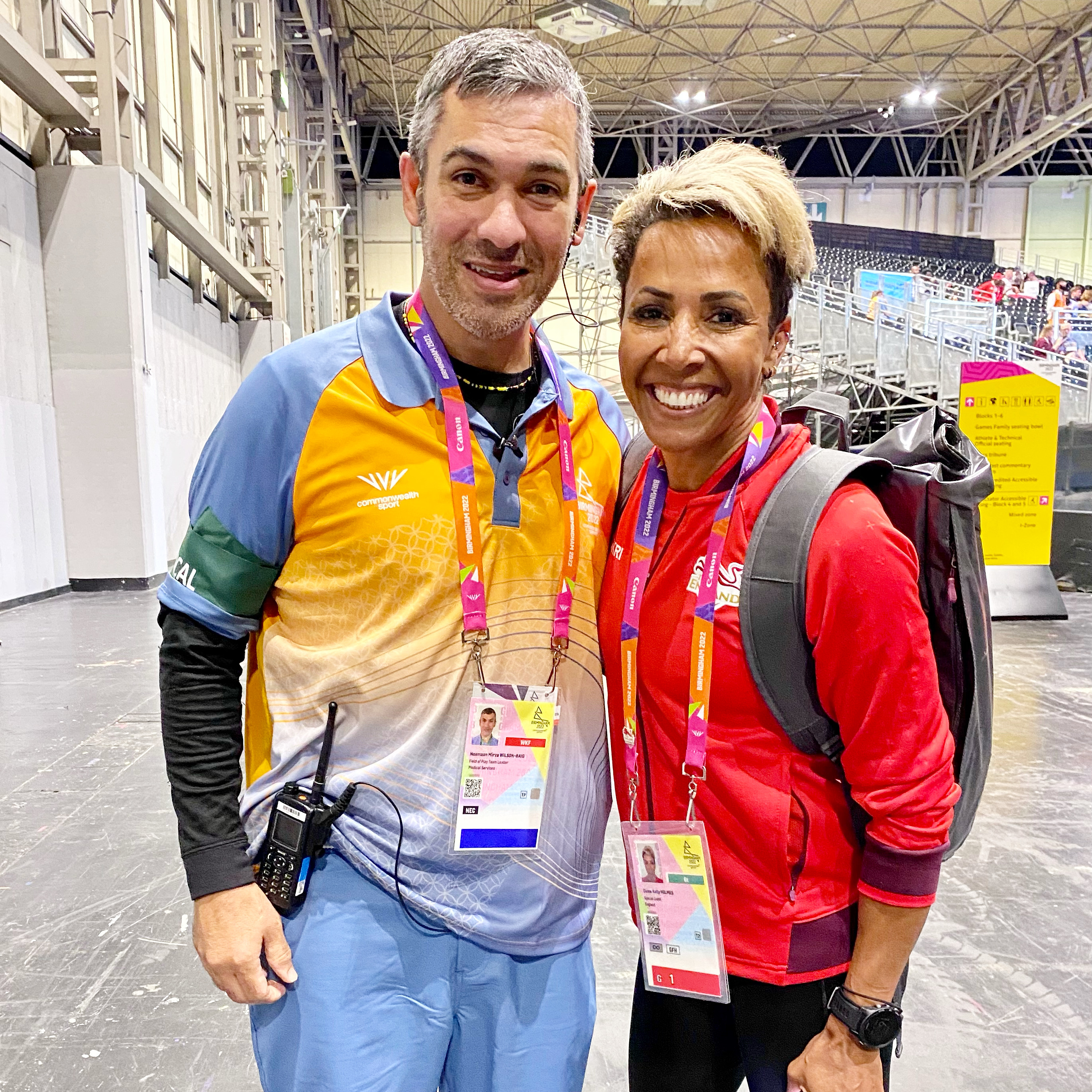
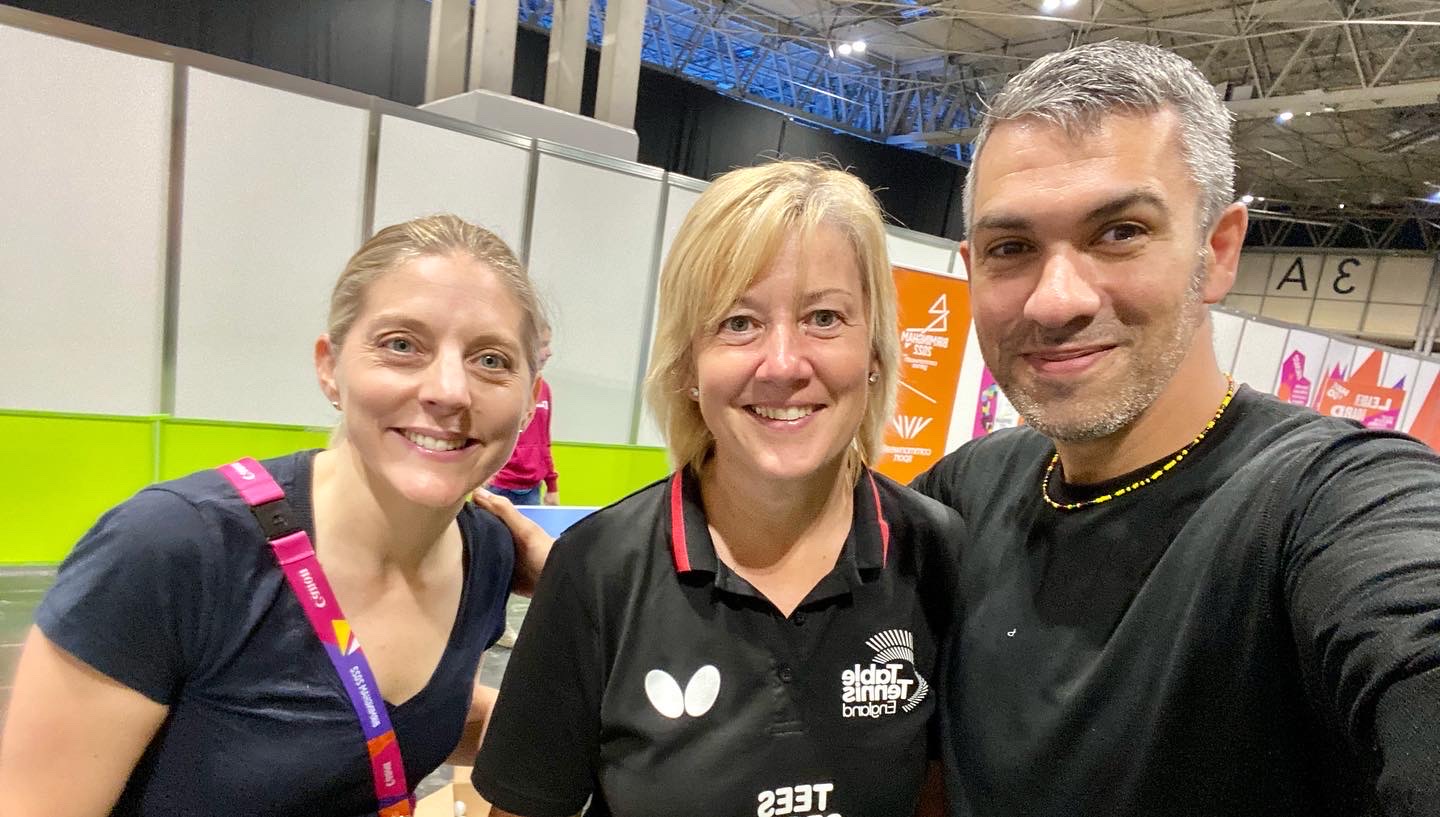
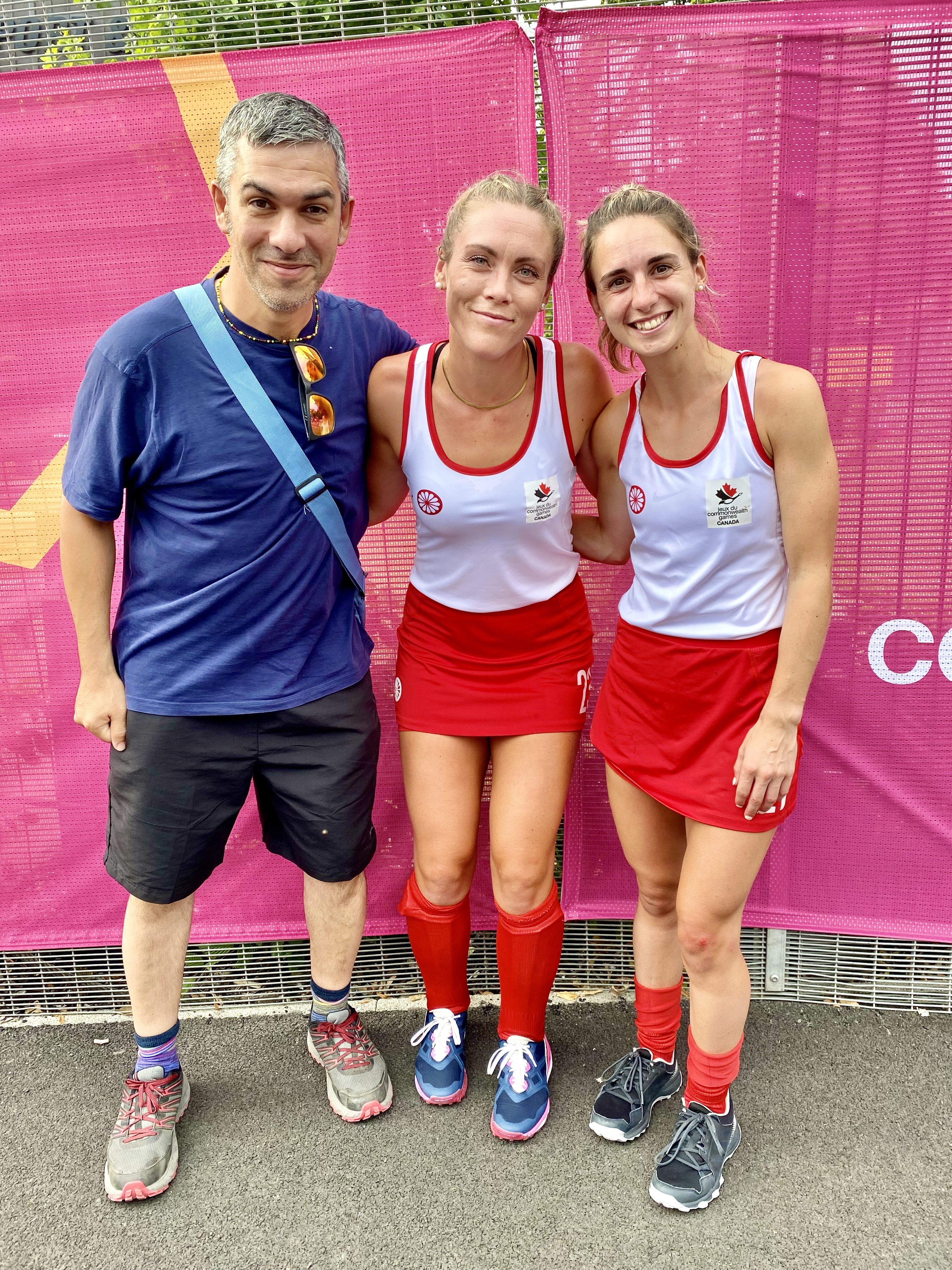
My best memories? Seeing first-class sports, witnessing medal ceremonies, conversing with and having photographs with athletes. The icing on the cake was wearing a gold medal, playing table tennis with a former British table tennis Olympian, meeting with legends like Dame Kelly Holmes and getting to work with and conduct a medical on Perry the Bull. I cannot begin to describe the fulfilment I gained from this unique opportunity and the fantastic memories I have made. It was a bonus to network with other professionals and made lifelong friends. As an added bonus, I met with an old school friend I have not seen since 1990!

I would strongly advise you plan ahead for the logistics and financial implications of volunteering at global events. All I can promise is that you will have the best time ever. Please make the most of your once-in-a-lifetime opportunity; who knows where it may take you 

Happy hypoxia in COVID-19: pathophysiology and pulse oximetry accuracy

  • Noamaan Wilson-Baig @LeDyslexicMedic
  • Journal of Paramedic Practice, July 2021, Mark Allen Group
  • DOI: 10.12968/jpar.2021.13.7.288

  1. Happy Hypoxia has gained media coverage during COVID19. What is Happy Hypoxia?
  2. This article explores the phenomenon of ‘happy hypoxia’ in COVID-19 and the possible mechanisms involved. A concise description of breathlessness, hypoxia and hypoxaemia is provided as well as the principles underpinning pulse oximetry. The limitation of pulse oximetry is also discussed.
  3. The aetiology of ‘happy hypoxia’ is unclear. A possible pathophysiological explanation could be that there is a dissociation between hypoxaemia and the sensation of breathlessness. Recent literature has questioned the accuracy of pulse oximetry in COVID-19. Inaccuracies in readings, which arise for several reasons, could in part explain ‘happy hypoxia’

For full article, please read here for free https://www.paramedicpractice.com/features/article/happy-hypoxia-in-covid-19-pathophysiology-and-pulse-oximetry-accuracy

Should athletes be using Kambo?

Recently there has been an increased interest in the use of Kambo. This interest has made its way into the sporting world. The following YouTube video https://www.youtube.com/watch?v=pEsUtZhnQoE&ab_channel=BBTVBOXING looks at the ceremony, reasons and effects of the “frog medicine” which is believed to have a number of physical and mental health benefits. However a disclaimer is provided which states “(NB this is not an endorsement or medically approved this is just a look at the practice for those who don’t know anything about it)”

In this blog, I discuss the issues surrounding Kambo in sport. It is written to create discussion. I would be interested in your comments.

What is Kambo?

Kambo (or Sapo) is the name of a secretion of the giant leap frog (Phyllomedusa bicolor) from the Amazonian forest. It was used for centuries by local tribes to enhance their “hunting” skills. The effects of Kambo were first described in 1925. These included nausea and vomiting. The use of Kambo has recently been advocated by those involved with alternative medicine and celebrities as a ‘healing’ intervention to cleanse the bodily systems [1].

Currently, only 16 known bioactive peptides have been isolated from Kambe. These include Adenoregulin, bombesin, bombesinnona peptide, dermorphine, caerulein, deltorphin, neurokinin B, phyllomedusin, phyllocaerulein, phyllokinin, phyllolitorin, preprotachykinin B, ranatachykinin A, sauvagine, T-kinin and urechistachykinin II [2]. There are many more as yet unknown compounds to be isolated.

The compounds described as enhancing stamina and better hunting skills may be a result of the opioid effects of dermorphine and caerulin. These compounds are reported to be 40 times more potent than morphine [3].

How is Kambo used today?

Kambo is used in a specific neo-shamanic subculture as a healing- intervention and as a method to “detox” the body [4]. A practitioner will use a burning vine to create a number of small burns on the skin, resulting in blisters. The blistered skin is then scraped off, and the Kambo is applied to the wounds. For more information see this website for sessions provided in East Sussex https://www.kambofrog.co.uk/

Although Hesselink [1] suggests starting with a small dose to assess for individual sensitivity – as higher doses may lead to severe adverse effects, there is no published evidenced based data on the dosing of Kamba. Also, and an important consideration, is the experience of the practitioner administrating Kambo. I am not aware of a certified and nationally recognised register of practitioners in administrating Kambo.

Apparently, there is a closed Facebook group where around 6000 participants are registered. Based on previous case reports, Kambo should not be used in those with cardiovascular conditions, psychosis, severe depression, bipolar disorders, severe anxiety, epilepsy, addison’s disease, low blood pressure, history of aneurisms, pregnancy, and children [1,5]. Hydration is an important consideration, however drinking too much water may result in the body retaining too much water due to the hormonal effects of Kamba (Syndrome of Inappropriate Anti-Diuretic Hormone secretion). This may cause cerebral oedema (increased fluid around the brain).

Adverse reactions of Kambo

These include nausea, vomiting, diarrhoea, abdominal pain, dizziness, palpitations, anaphylaxis, loss of bladder control, dehydration, muscle spasms and cramps, convulsions, jaundice, anxiety, and skin scarring [1,2,5].

Interestingly, Kambo is used by the Giant Leaf Frog to produce a “molecular electric shock” in a predator’s mouth, so it is quickly ejected. The poison works by overloading the predator’s internal system with chemicals, prompting regurgitation, muscle spasms, vomiting, and intestinal convulsion—hence the sick buckets at Kambo ceremonies [6]. Due to the neurochemical action of Kambo there could be an addictive nature to this drug – especially in view of the opioid effects. Anecdotal evidence suggests that individuals who use Kambo in the UK describe the desire for repeated use. Practitioners are keen to stress that dosing should be restricted to 12 times a year [6]. However, there is no substantiation of this claim.

Use of Kambo in athletes

While there has been a lot of anecdotal data on the use of Kambo, there is no scientific evidence-based research on the dosing of Kamba. Although some adverse effects are known (described above), we truly do not know the pharmacological effects of Kambo. Additionally, unlike registered practitioners in medicine, nursing etc, there is not (as far as I know) a legal governing regulatory body that oversees practitioners who administers Kamba. However, in the UK, there are a growing number of people conducting Kambo ceremonies, either trained in the Amazon or by the International Association of Kambo Practitioners (IAKP), which administers, teaches, and regulates the use of Kambo (https://iakp.org/). The IAKP already has 13 registered practitioners in the UK and more than 50 worldwide [7]. There are various websites that offer training (https://www.kambo-dots.co.uk/). However, I am unclear of what is involved in terms of regulating practitioners. This anecdote does not provide any confidence https://www.dailymail.co.uk/news/article-6817737/Woman-dies-alternative-kambo-ceremony-gave-heart-attack.html

We are all too aware of the hydration issues of athletes involved with boxing, especially on the run-up to an event. Considering the effects of Kambo on fluid-balance, this is something to be aware of. Athletes could end up having muscle spasms, palpitations and convulsions. However, on the other hand, the advice is that individuals should not drink too much because of the risk of a hormonal imbalance that can cause fluid retention (SIADH – described earlier). I therefore think that this agent should not be permitted in the sporting arena.

Another issue is related to the psychoactive nature of the bioactive peptides associated with Kambo. The IAKP denies it, but Kambo does, technically, have psychoactive properties. Kambo contains opioid peptides such as dermorphin, dermenkephalin, and the deltorphins, which are ingested via the burn points. These are potent opioid receptor agonists in the central nervous system, which by definition will affect the mental state of the individual. It is therefore not correct to state that these drugs aren’t psychoactive. Considering this, should athletes be using this agent?

On another note, we are all aware of the World Anti-Doping Code [7] with regards the use of narcotics and hormones. Although Kambo is not on this list, could some of the ingredients be considered prohibited under the umbrella of “All natural and synthetic….” (concerning stimulants and hormonal agents) or, in reference to narcotics “All optical isomers….”, or “all agents administered exogenously, but not limited to…” I am not an expert in this area, but considering what I have read, I do not think Kambo would be a permitted substance. This, needs clarifying. This substance could be considered in similar vain to the issues and legalities surrounding cannabinoids.

Finally, I am not clear of the legality of Kambo in the UK. What do we advise an athlete who used Kambo? My feeling is that it should not be used, especially as we do not know about the agent in terms of its dosing, pharmacology, safety and efficacy. I personally think that considering the contraindications to the use of Kambo, athletes should seek advice from their GP first before engaging with Kambo Practitioners. The addictive nature to Kambo may be a cause for concern for the athlete and the GP.

I do think that until we have a consensus on Kambo, or advice from sporting governing bodies, we should closely assess the athletes using Kambo at each event. I personally I think we should deter all athletes from using Kamba. There clearly needs to be a conversation about this. I am not sure how many people are aware of Kambo. I certainly was not until last week.

Further Reading – Schmidt, T.T., Reiche, S., Hage, C.L.C. et al. Acute and subacute psychoactive effects of Kambô, the secretion of the Amazonian Giant Maki Frog (Phyllomedusa bicolor): retrospective reports. Sci Rep 10, 21544 (2020). https://doi.org/10.1038/s41598-020-78527-4 https://www.nature.com/articles/s41598-020-78527-4

References

  1. Hesselink JMK (2018) Kambo and its Multitude of Biological Effects: Adverse Events or Pharmacological Effects?. Int Arch Clin Pharmacol 4:017. doi.org/10.23937/2572-3987.1510017
  2. Damila Rodrigues de Morais, Rafael Lanaro, Ingrid Lopes Barbosa, Jandyson Machado Santos, Kelly Francisco Cunha, et al. (2018) Ayahuasca and Kambo intoxication after alternative natural therapy for depression, confirmed by mass spectrometry. Forensic Toxicology 36: 212-221.
  3. Keppel Hesselink JM (2018) Kambo: A ritualistic healing substance from an Amazonian frog and a source of new treatments. Open J Pain Med 2: 004-006.
  4. Keppel Hesselink JM (2018) Kambô: A Shamanistic Ritual Arriving in the West-Description. Risks and Perception by the Users. Int J Psychol Psychoanal 4: 034.
  5. Wilson DR (2020) What’s the Deal with Kambo and Frog Medicine? [online]. Available from https://www.healthline.com/health/kambo [Accessed 9th May 2021]
  6. Daly M (2016) How Amazonian Tree Frog Poison Became the Latest Treatment for Addiction [online]. https://www.vice.com/en/article/gqkxa9/kambo-ceremony-alcoholism-purging-uk [Accessed 9th May 2021]
  7. World Anti-Doping Agency (2021). List of Prohibited Substances and Methods [online]. Available from https://www.wada-ama.org/en/media/news/2021-01/wada-2021-list-of-prohibited-substances-and-methods-now-in-force [Accessed 9th May 2021}

A Qualitative Exploration of Consultant Anaesthetists Attitudes to, and Experiences of, Peri-operative Medication Errors in Emergency and Elective Theatre Settings

-Published perioperative medicine error rates vary between 1 in 20 and 1 in 274 anaesthetics given

-Why are only 10% of errors reported voluntarily? Should near-misses be reported?

-Blame culture is still felt to pervade; why?

-Should error investigations re-create the narrative of what happened rather than focussing on the facts?

-Should goal conflicts be considered as a contributory factor to errors?

-Should medicine handling begin at medical school?

-How can we develop error wisdom?

-Are guidelines the answer? Surely they cannot cover every circumstance? Are they an overlay that might inadvertently simplify a complex situation into a dichotomous decision between right and wrong?

-How can fatigue be objectively measured in healthcare?

-Anaesthetists have their own self-check mechanisms that serve as a second check. These rituals vary between anaesthetists. Many trainees have experienced consultants saying “I do it this way” Trainees are then having to learn and remember bespoke processes. Is this an issue?

-The aim of any incident analysis is to reconstruct the sequence of events of what happened in real-time & recreate the mindset of the individuals present.
-Decisions could have been made in an evolving situation where the outcome, the error, was unknown until it happened

-There is a need to define peri-operative medication error. This should acknowledge the difference between the way medicines are prepared in a dispensary/ward and that during the peri-operative period.

For an exploration into these questions, please read the following publication. This study provides an insight into why peri-operative medication errors might occur, and what might be done to reduce them. Whilst some of the causes of errors, and strategies to reduce them, were in keeping with the literature, some new themes emerged or were reframed. This work suggests a collaborative and system-centred approach to addressing peri- operative medication errors that involves the organisation and individuals.

https://scholars.direct/Articles/anesthesia-and-pain-management/jcapm-5-040.php?jid=anesthesia-and-pain-management

#perioperative #medicationerrors #medicationsafety #humanfactors #errorhandling #anaesthesia

Quarantine of Solace

Blog of a Self-Isolated Doctor

Introduction

Coronavirus, according to the World Health Organisation, are a “large family of viruses that cause illness ranging from the common cold to more severe diseases such as Middle East Respiratory Syndrome (MERS) and Severe Acute Respiratory Syndrome (SARS).”

Coronavirus (COVID-19) is a new strain that was discovered in 2019 and has not been previously identified in humans. Common signs of infection include respiratory symptoms, fever, cough, shortness of breath and breathing difficulties. In more severe cases, infection can cause pneumonia, severe acute respiratory syndrome, kidney failure and even death.

It surfaced in Wuhan, China late last year and has now spread to multiple countries. It has now been declared a Pandemic.

Up until the writing of this account, the timeline can be summarised as follows (Source World Health Organisation),

December 1st, 2019, first patient reported in the cluster of pneumonia of unknown origin.

December 30th, 2019, Wuhan Municipal Health Commission announced detection of a cluster of pneumonia of unknown origin traced back to a seafood market.

January 7th, 2020, Isolation of novel 2019 coronavirus by Chinese authorities.

January 11th , 2020, the state media in China report the first known death in Wuhan from an illness that has infected multiple individuals. The cause of the illness is as yet unknown.

January 20th, The first confirmed cases outside China occurred in Japan, South Korea and the United States

January 23rd. In Wuhan, 17 people have died, and around 560 have been infected. As a result, the Chinese authorities have suspended public travel within Wuhan

February 2nd A 44-year-old man is the first death reported outside China

February 5th 3600 passengers have been quarantined on a cruise ship in Japan. Officials screened the passengers and the number of people who tested positive was registered as the largest number of cases outside China. This was 218.

February 9th, Death toll in China exceeds the number of people who died with SARS in the epidemic in 2002-3 that claimed 774 lives. The death toll currently, 813. The UK reports its fourth case of coronavirus.

February 11th, The WHO has officially named the disease caused by the new coronavirus as ‘Covid-19’.

February 15th, France announced the first death associated with coronavirus. Worldwide death toll reaches 1526

February 23rd Italy sees a major surge in coronavirus and as a result, schools are closed and one death. Death toll rises to 2458. UK reports four new cases, now at 13.

February 29th The US reports its first death, new cases reported in Ecuador and Luxembourg. Total cases in Italy passes 1,000. Death toll globally has reached 2,900 and number of global cases confirmed is 85,000.

March 2nd, Globally, 3000 deaths form Covid-19, and 89000 confirmed cases. 45,000 people have recovered globally. The European Centre for Disease Prevention and Control (ECDC) has risen the coronavirus risk level in the European Union from moderate to high. US death toll rises to 6. France has now reported four deaths. Number of patients testing positive for COVID-19 in the UK reaches 40. WHO states COVID-19 mortality is 3.4%. This is higher that the previous estimate of 2%.

The Director General of the World Health Organisation (WHO), Dr. Tedros Adhanom Ghebreyesus, stated that Covid-19 “spreads less efficiently than flu” and that it “causes more severe illness than flu”, and as yet, “there are no vaccines or therapeutics for it”. https://www.who.int/dg/speeches/detail/who-director-general-s-opening-remarks-at-the-media-briefing-on-covid-19—3-march-2020

March 2nd. Whilst the Director- General was making their speech, I was working on the Intensive Care Unit, in a hospital in the UK, and treated a sick patient between the 29th of February and March 3rd. This patient was found to be COVID-19 positive. The following is a daily blog kept by me as a result of being asked to self-isolate. It is written in the form of a daily blog, as is the way these days, and is representative of the haphazard and unstructured manner in which my life was unfolding as I was getting to grips with the emerging menace that was spreading around the globe. Up until this point not much was known about COVID-19 and the NHS was not prepared for it.