Noamaan Wilson-Baig
About me
I am Noamaan Wilson-Baig, an anaesthesia and intensive care consultant at Wrightington, Wigan and Leigh NHS Foundation Trust. I am also an Emeritus doctor with East Anglian Air Ambulance and a council member of the Central Area division of the British Boxing Board of Control. I am due to start a role as a Medical Emergency Response Incident Team doctor with the North West Ambulance Service. Before working as a doctor, I was a Pharmacist for fifteen years.
I applied to volunteer at the 2022 Commonwealth Games because I wanted to be part of something special. I wanted to experience the same fantastic opportunities as the volunteers from the 2012 Olympic games and showcase my skills as a pre-hospital doctor while acquiring new skills. Most importantly, I would meet some amazing people while on my Commonwealth Games journey. As part of the volunteer commonwealth collaborative medical team, I aimed to provide safe and healthy games.
Application process
The application process began around 18 months before the start in late July 2022. I was a late applicant to the process. Unlike others who had to wait a while before hearing from the applications team, I was lucky to get a prompt response and was called for an interview. All applicants had to create a profile, including uploading a photographic ID and identity verification. All candidates had to answer questions about why they wanted to volunteer at the Birmingham 2022 games and what skills they could provide.
My interview was conducted via Zoom by a senior member of the medical team. The interview was an informal process which allowed the interviewer to find out about me and what I could bring to the games. My CV was explored, and there were some clinical-based questions. Those who had a face-to-face interview in Birmingham could explore the venues that would be used during the games and meet with other potential candidates.
Before the Games
Before the games, all volunteers had to attend some key training events in Birmingham. These included role-specific training and venue-specific training. The role-specific training was a half-day session and involved people from various sectors (medical, media, supporter services etc.). The role-specific training allowed volunteers to get a feel for the specific roles they would be undertaking at the Birmingham 2022 games. It was also an opportunity to meet fellow volunteers undertaking different parts. This was a perfect opportunity for volunteers to get a detailed brief of their role and what would be expected of them. The venue-specific training was held at venues where volunteers would spend most of their time at the games. In my case, I was appointed field of play team leader for boxing; therefore, my venue-specific training was held at the NEC. However, I was also due to cover the opening ceremony, netball, table tennis and cricket. The opening ceremony was held at the Alexander Stadium, while the cricket was held at Edgbaston Stadium.
The training events allowed me to meet with other volunteers, share experiences, and explore the logistics of accommodation, parking and travel to the venues. Unfortunately, the organising committee had not accommodated the volunteers, so this was a logistical challenge. However, all volunteers were given a free bus pass to travel from their residence to the venue where they would be volunteering. All necessary equipment and meals for when we were on shift would be provided.
Although the games’ training events were helpful in some respects, I was unclear about the anatomy of a shift during the games and the exact processes involved should a critical event occur. The one thing that was made clear was that there were two discrete medical teams; one would cater for athletes on the field of play, while the other would cater for spectators. There would not be any cross-over of care unless there was an absolute life-threatening emergency.
To manage some of the concerns raised by volunteers, the organising committee set up WhatsApp groups for the various venues. It informed us of some unofficial Facebook pages to assist volunteers in finding and sharing information relating to volunteering at the games. I found this very helpful. Excellent advice was provided by those volunteers who had worked at previous games or significant events and those individuals who lived in the Birmingham area. Like most volunteers, I had not considered the financial logistics of volunteering at the games. Some individuals reported spending thousands of pounds on accommodation and taking unpaid leave. This was a real challenge for me as I could not afford this amount considering the current climate. I also lived in Manchester, so commuting would’ve been challenging. There was a point where I felt I might have to withdraw from the process due to the possibility of spiralling costs.
Fortunately, I could take leave from work, and a very close friend let me stay with him and his family in Bromsgrove, Birmingham, for the duration of the games. He also organised someone to taxi me to the various venues I would attend. I am so grateful for this support. Many others had similar support as me. It demonstrated how people came together to ensure the success of a global event. As a result, the total cost to me for the ten days was around £300. For anyone considering volunteering at large events, I would recommend considering the financial implications of volunteering as early as possible in the application process and what you can do to keep costs to a minimum.
The rosters for the games were released electronically around two months in advance of the start of the games. Volunteers had the opportunity to accept prescribed enrollments or pick up vacant shifts.
During the Games
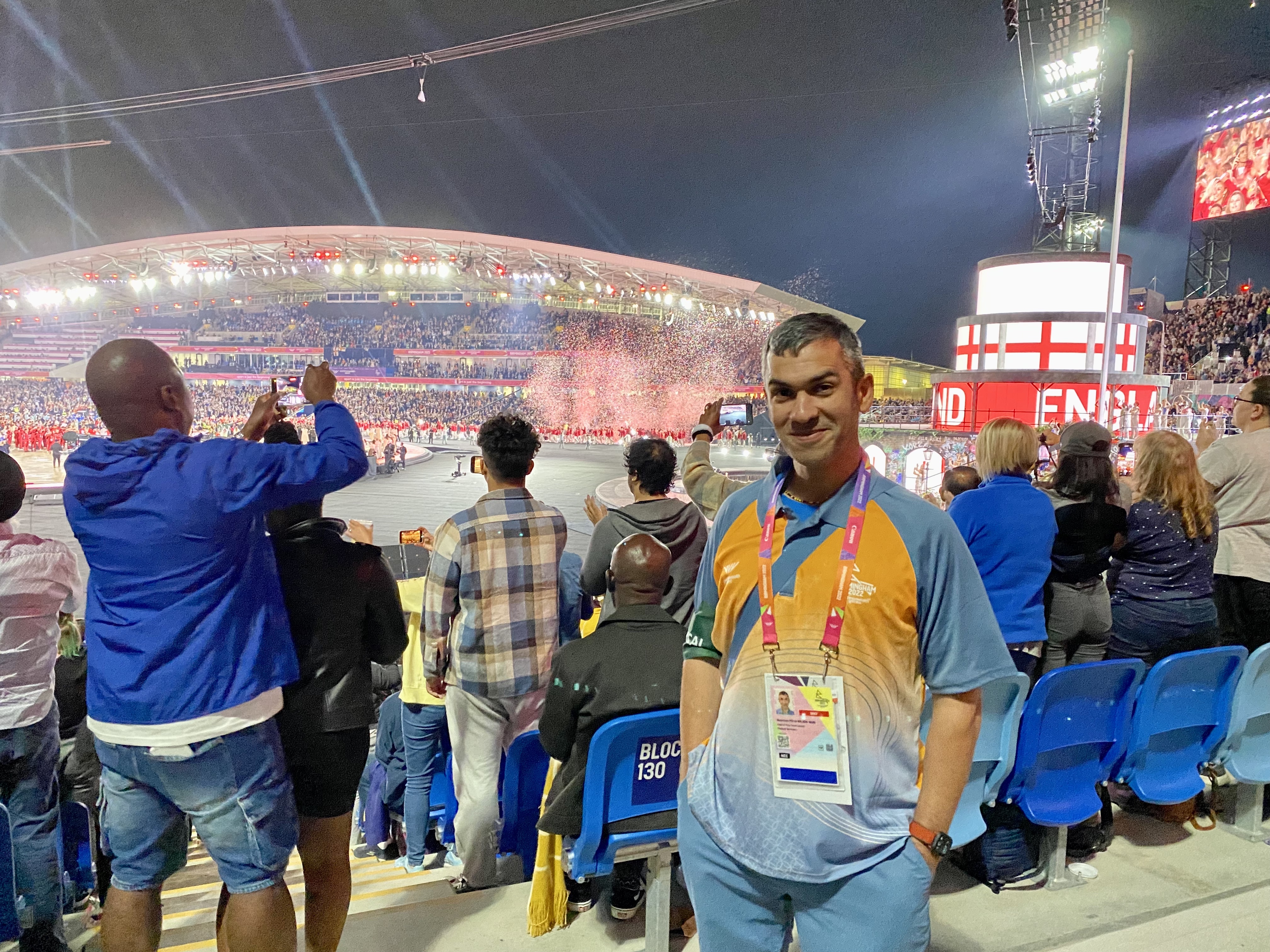
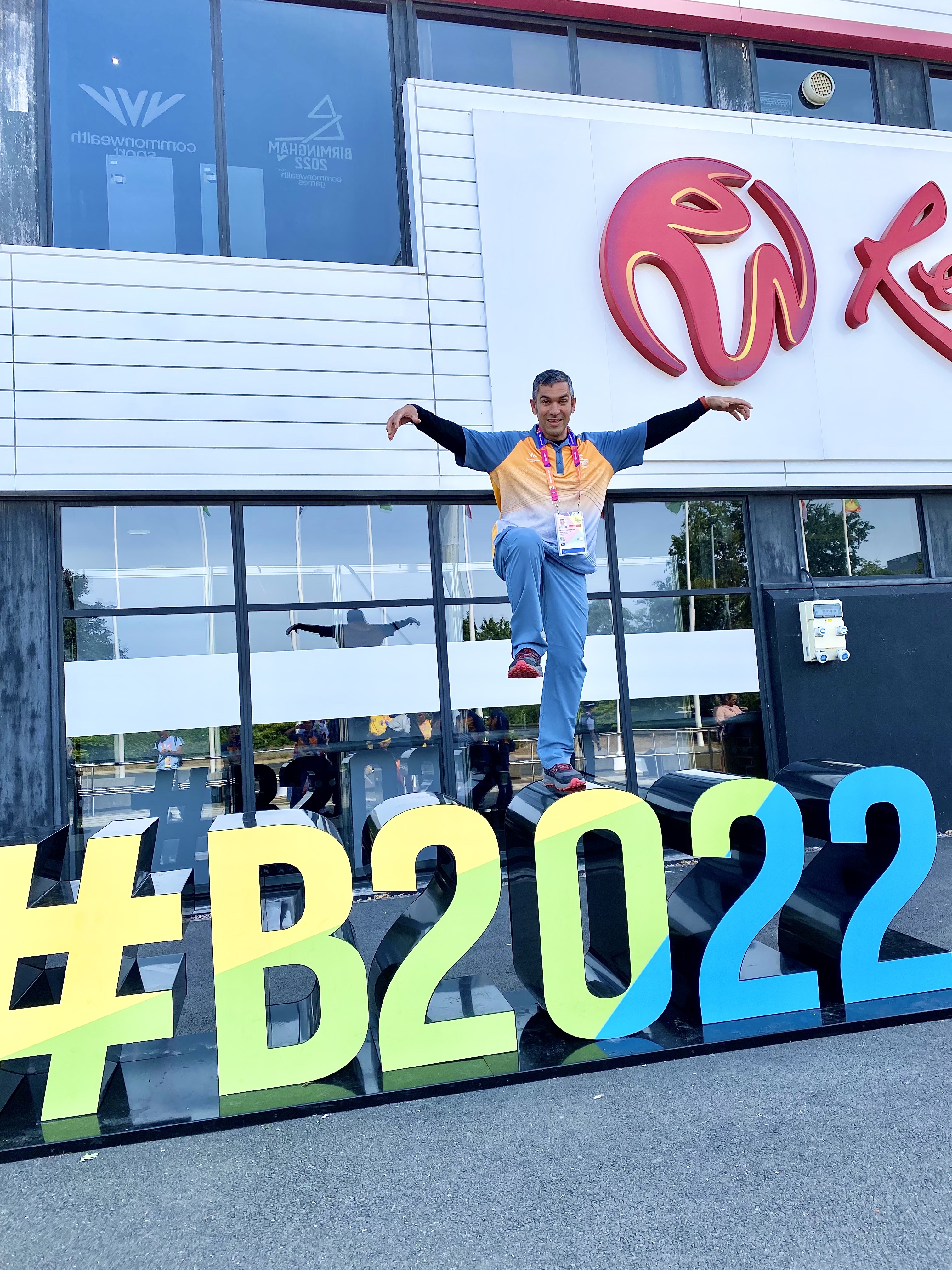
My first shift was at the opening ceremony. I had only watched this on television before, so to experience this live while on duty was a fantastic experience. There was a sense of anticipatory excitement in the air. The success of the opening ceremony was a demonstration of how the city of Birmingham is a true reflection of its Commonwealth communities and how inspiring people created and achieved the story of Birmingham.
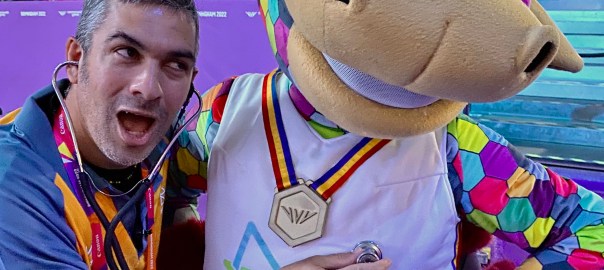
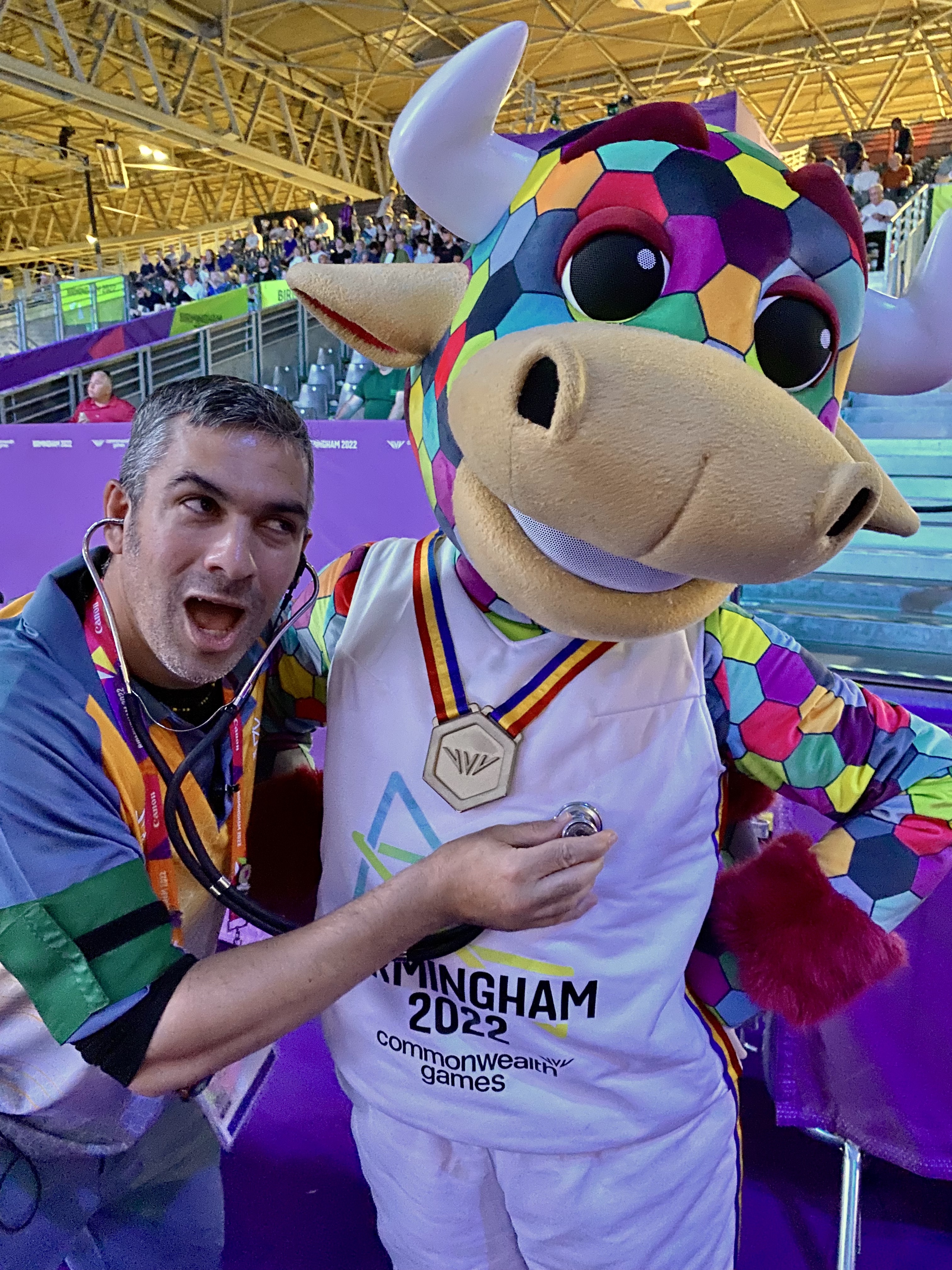
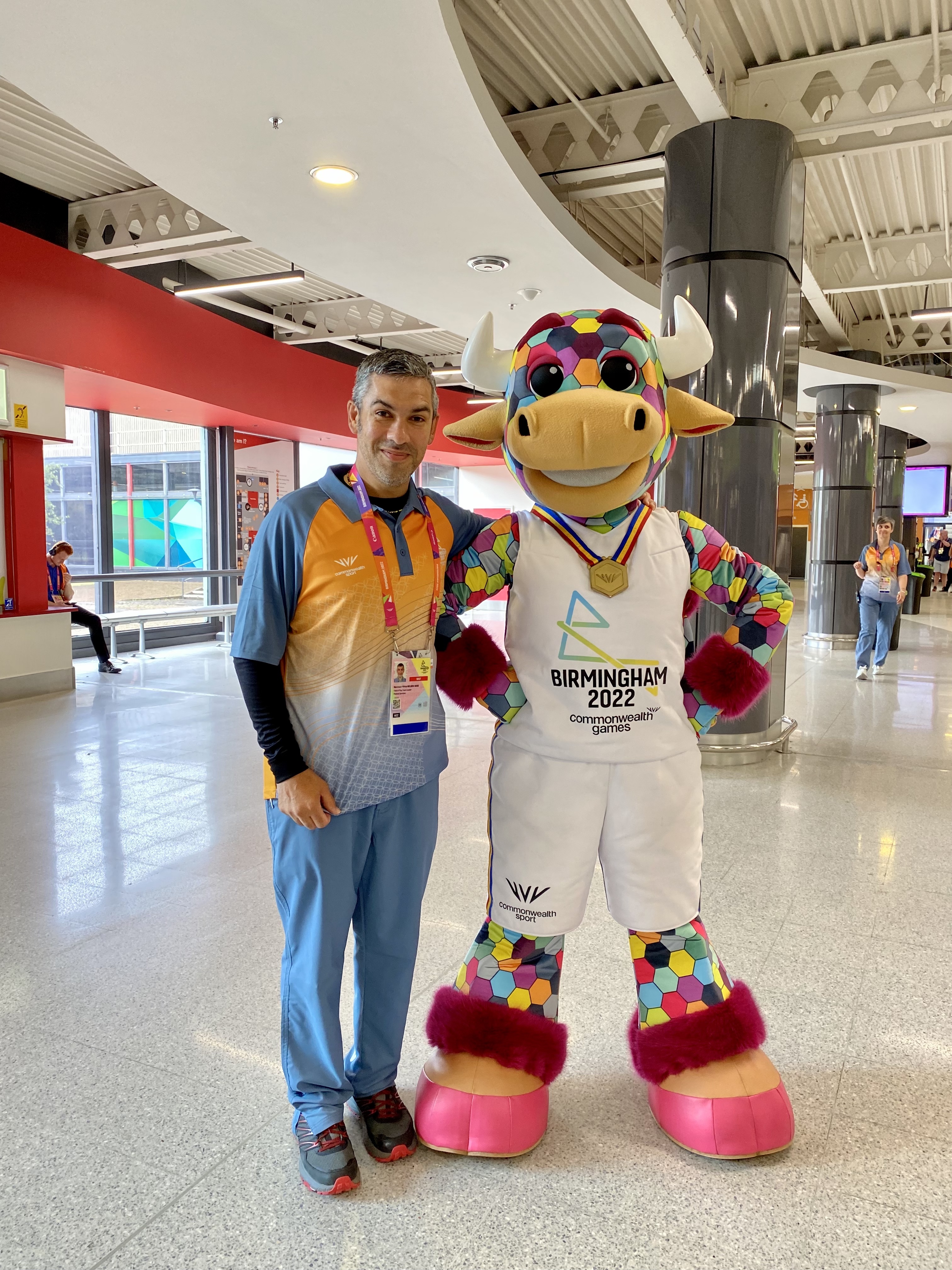
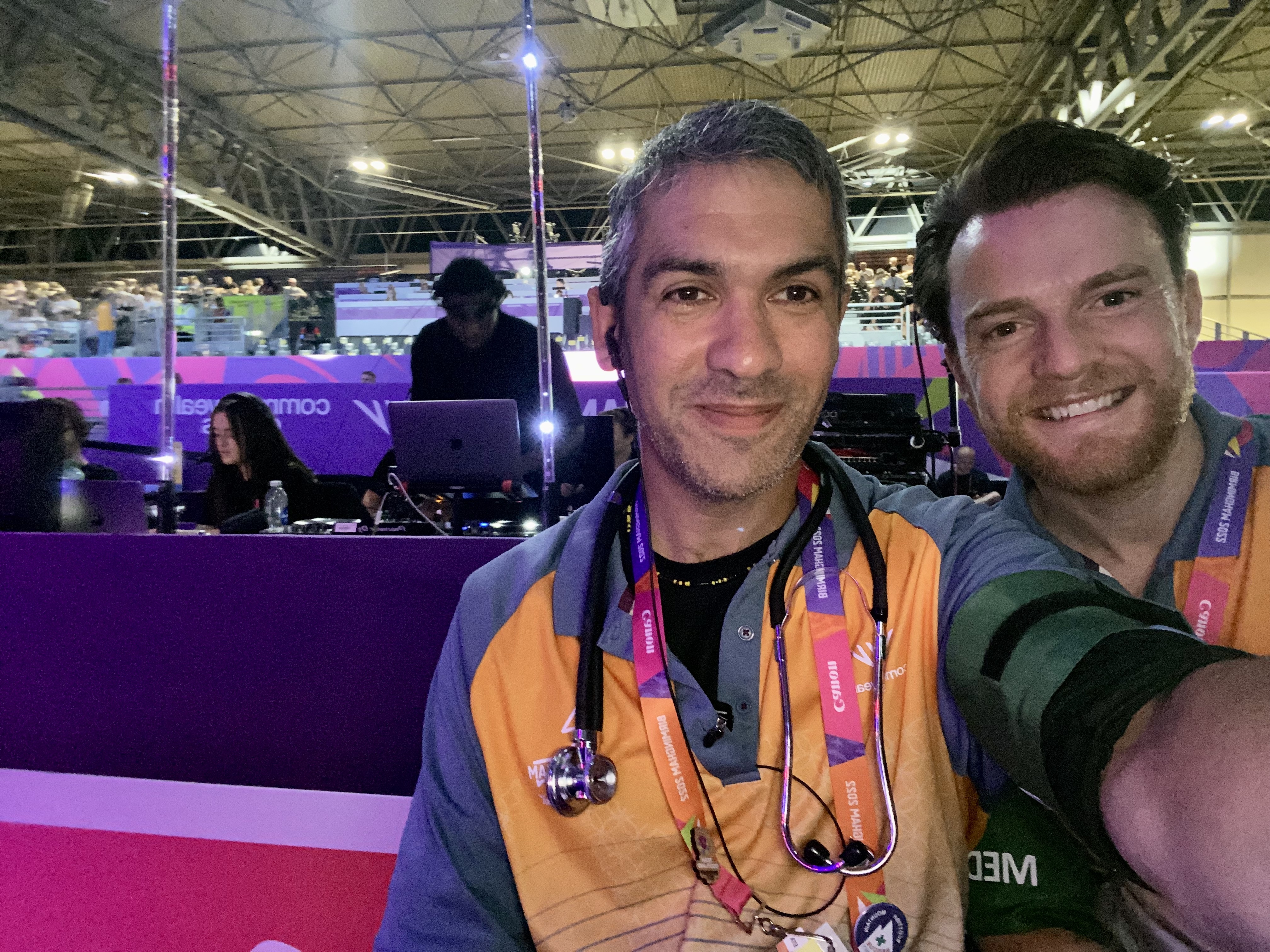
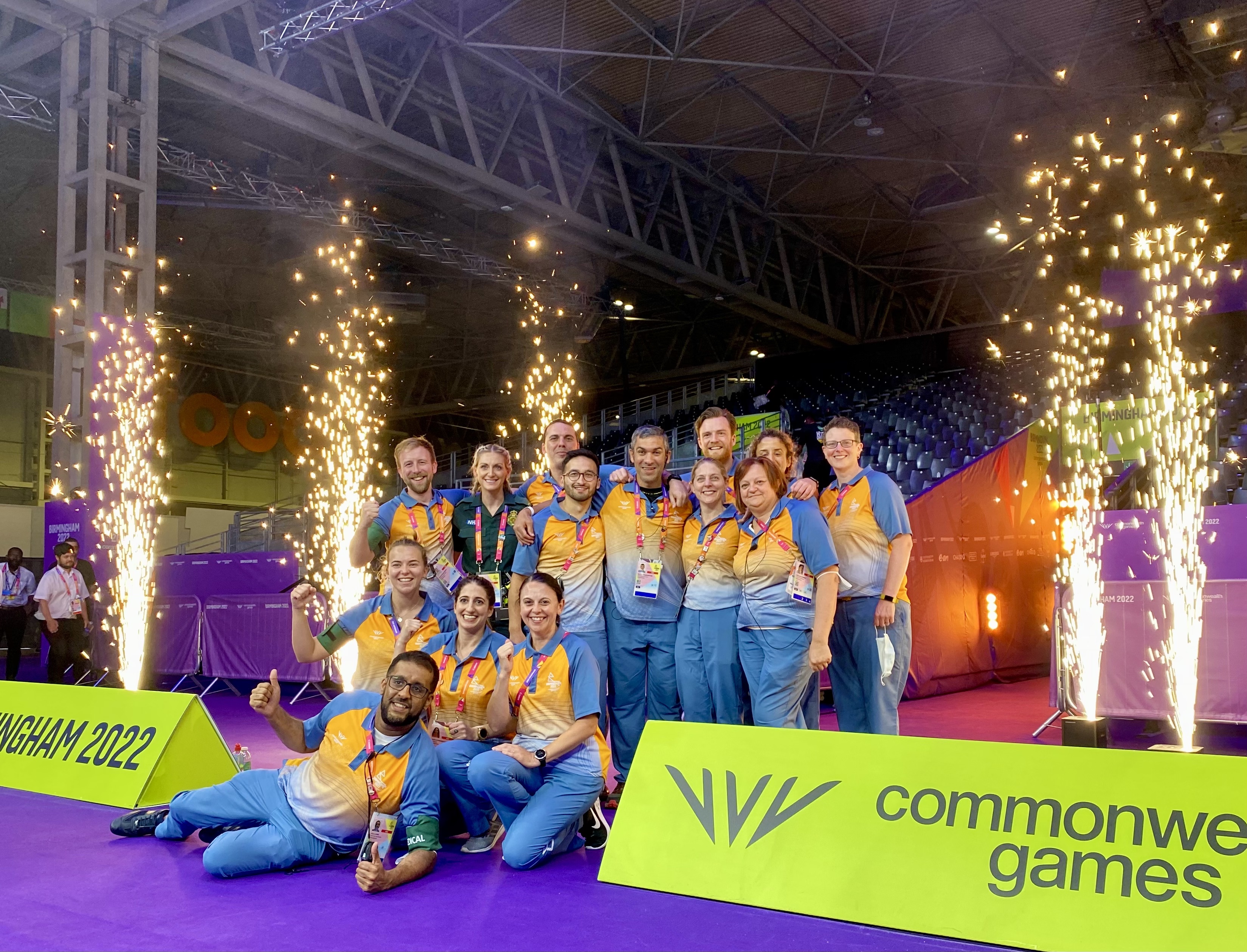
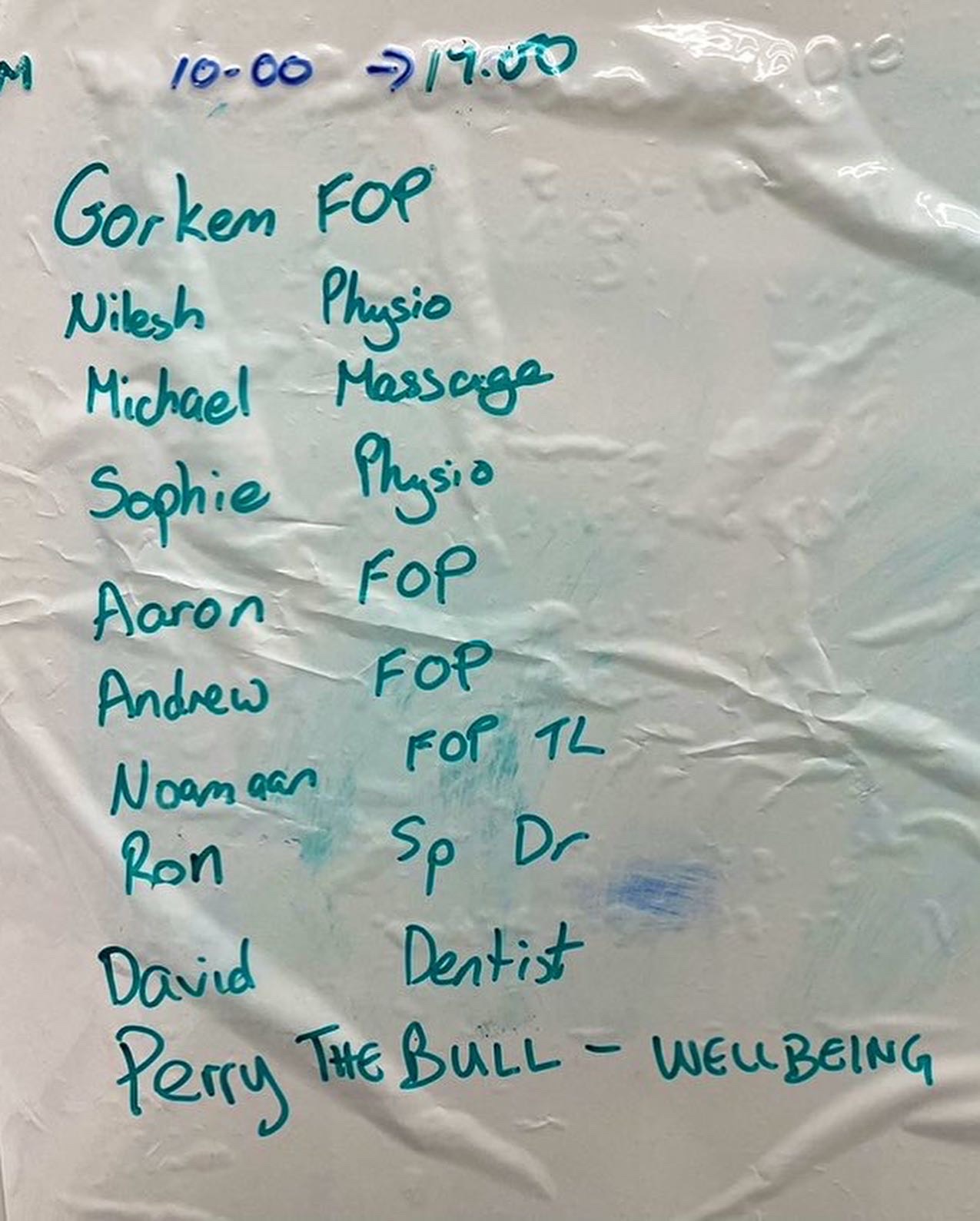
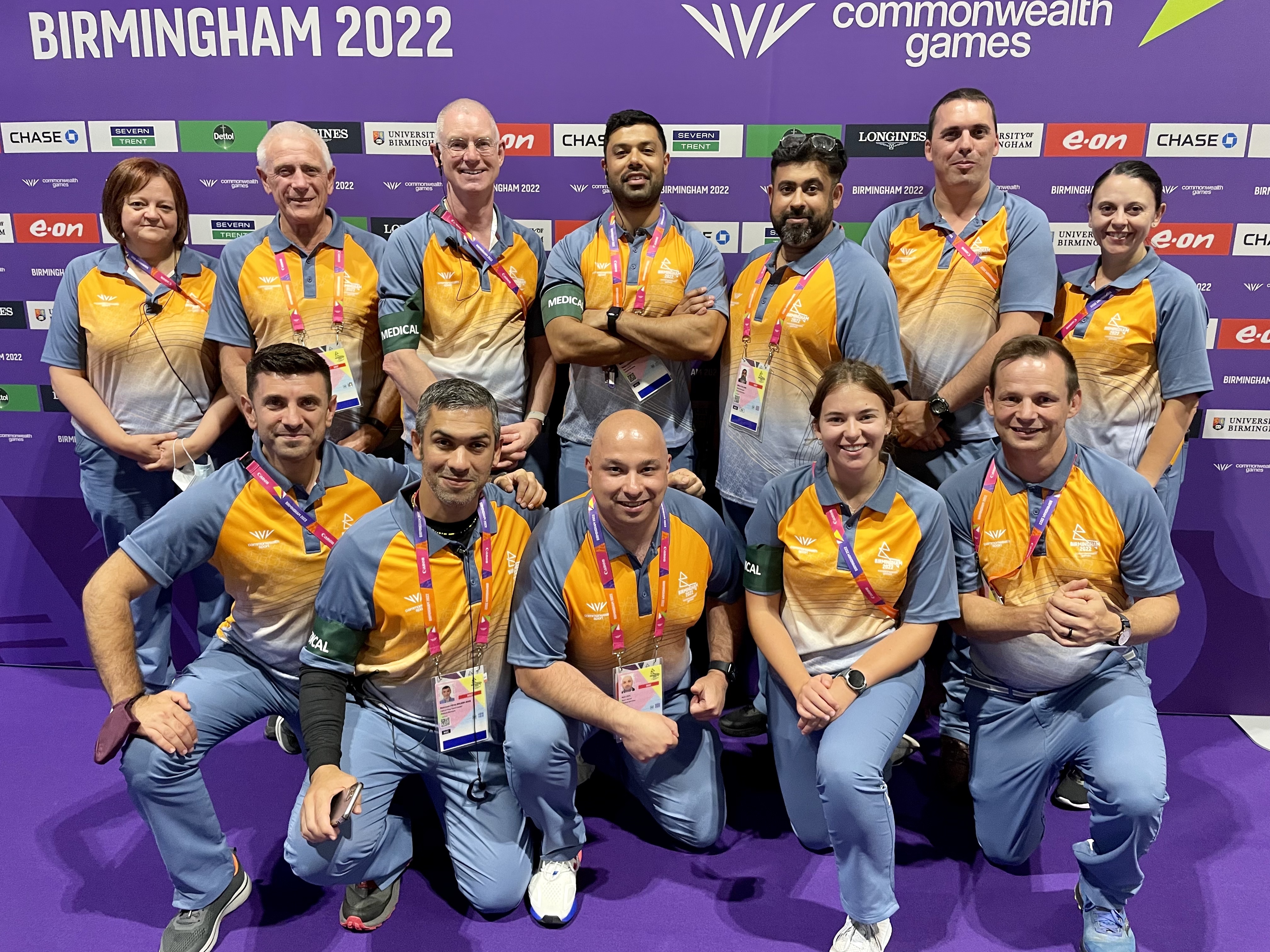
For the rest of the games, I got to work with some amazing people from all walks of life, including athletes, healthcare professionals, actors, prop technicians, security, accreditation team, catering team, games makers and many more…including the legendary Perry the Bull. During events, we were up and close to the action. My role on the field of play was Field of Play Team Leader (FoPTL), the medical team providing care to athletes. At the start of every shift, we would have a team brief to ensure who was present and what skills were available. We would then have a multidisciplinary discussion and simulation with healthcare professionals directly employed by the Birmingham 2022 Games organisation and the emergency services team provided by West Midlands Ambulance Service. This was essential to ensure that we could provide care seamlessly should it be required. As a spectator clinician (SpC), my role was similar to those working in an emergency department in a makeshift medical room. As a roving doctor, I would carry a radio and walk around a pre-defined venue area. This would allow me to be dispatched quickly to a referral from the area I was patrolling. If called, I would conduct a primary assessment and liaise with the game’s medical control room to discuss the next steps. This would be to plan whether the patient should be transported to the medical room for further assessment or to the local hospital via ambulance.
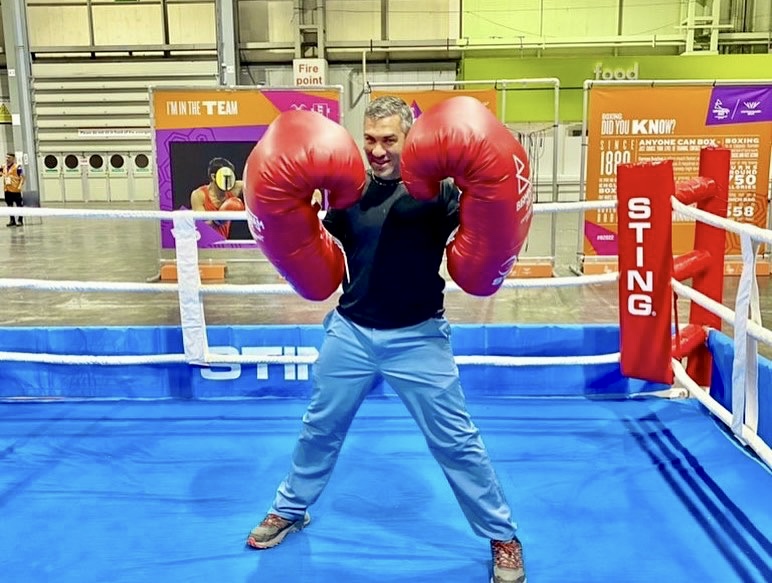
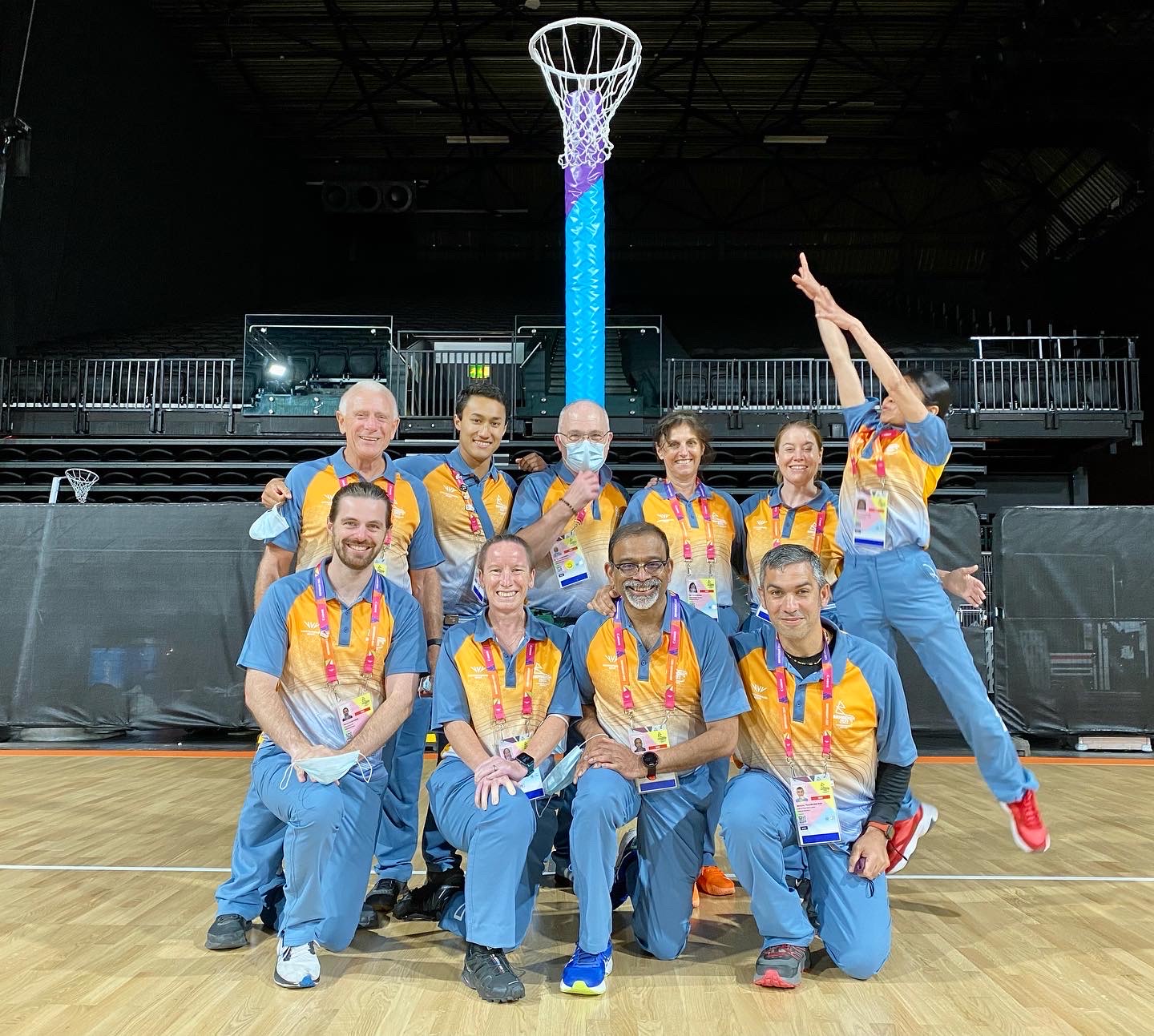
In total, I covered ten shifts at different venues. The sports I covered as a FoPTL were boxing, netball, and table tennis. As an SpC, I covered cricket, badminton, weight lifting, netball and boxing. I met many athletes and national team medics during my time. I also got to experience sports that I had never watched live, e.g. netball. The atmosphere was electric when England was playing. The Birmingham 2022 Games opportunity also allowed me to explore other areas outside the medical sphere, e.g. the filming and televising of the games. I saw first-hand how sports television is assimilated and put together from various cameras transmitting unfolding events on the field of play. I did not appreciate the logistical intricacies of airing live sports on national and international television. When I was not on shift, I could watch other sports like hockey and basketball held at different venues in Birmingham.
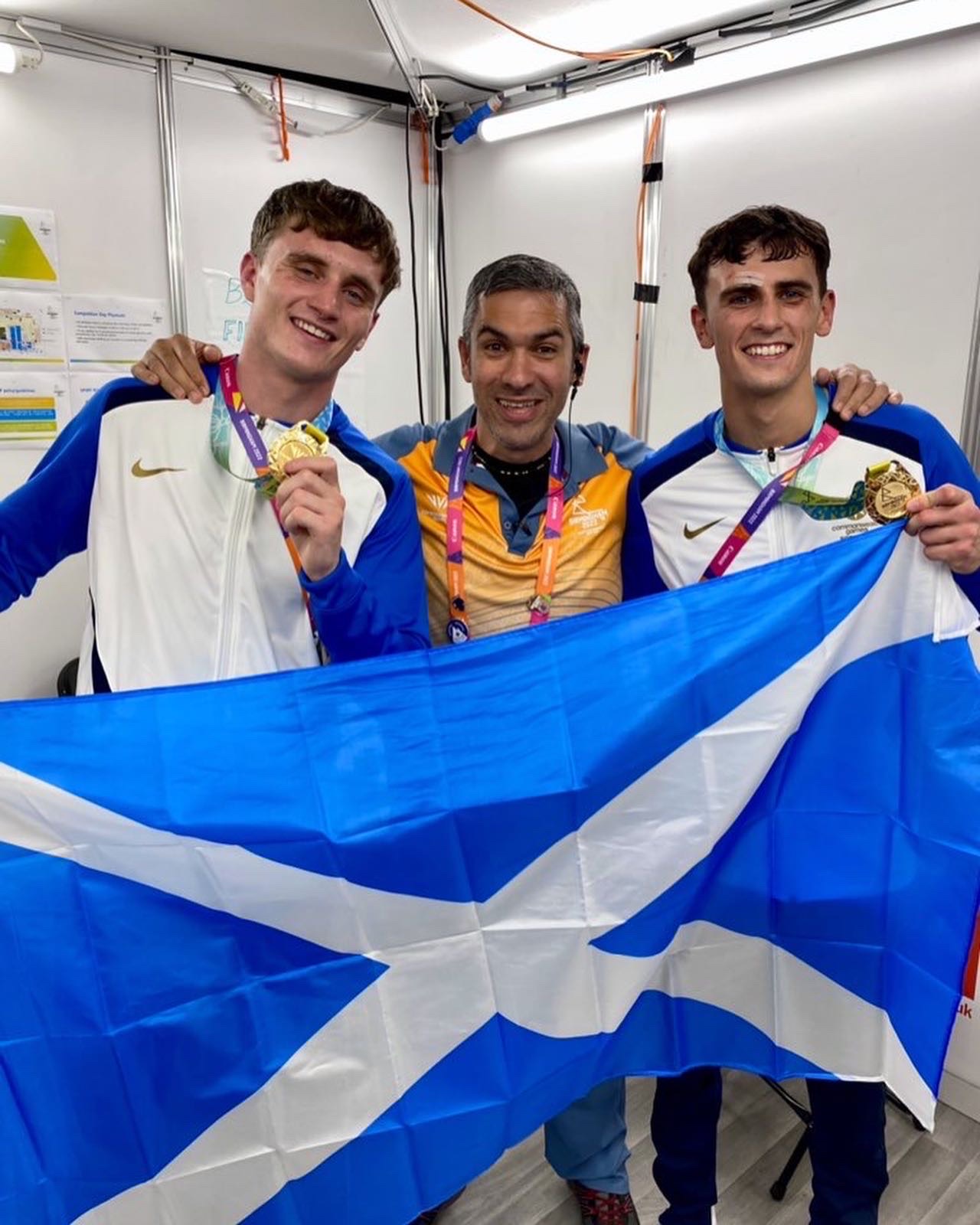
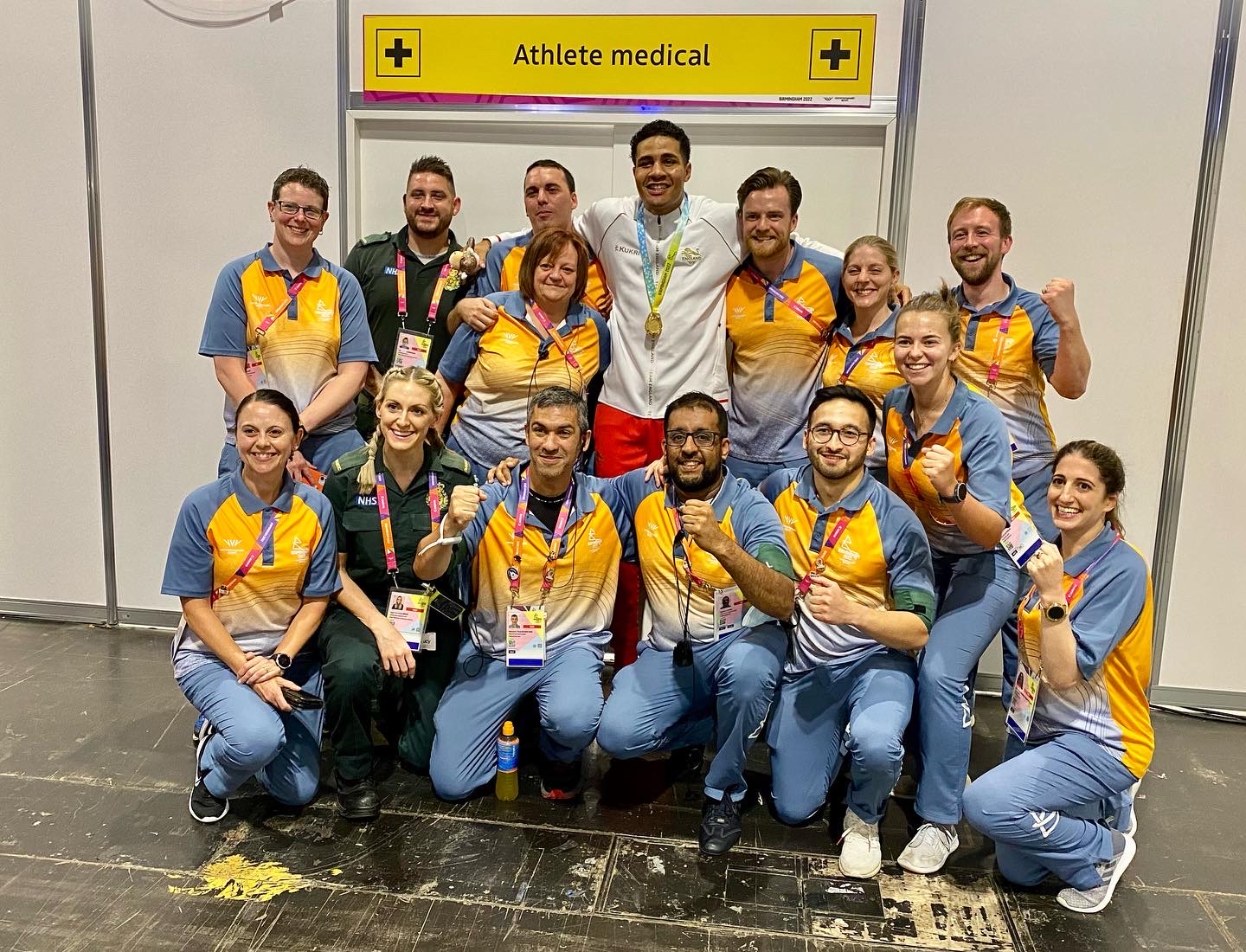
As FoPTL, it was an absolute privilege to see, up close, athletes perform to the highest level in their chosen sport. I witnessed the highs and lows as athletes tried to win medals for their nations. I was fortunate to be rostered on the final day of the games at the boxing, which culminated in Delicious Orie winning the Super Heavyweight Gold. As SpC, it was amazing to experience the electric atmosphere from the crowd at various sports, especially when the home nations were performing.
After the Games
I have kept in touch with many fellow volunteers. Using Twitter, Instagram and LinkedIn, I have connected with volunteers and maintained contact long after the Games. I have also been fortunate to be invited to cover amateur boxing events due to the connections I made during the games. The relationships I made while working at the Games have given me excellent opportunities and many memories that will last a lifetime.
Advice to anybody considering volunteering
My advice to anybody considering volunteering would be – GO FOR IT! The Birmingham 2022 experience allowed me to see first-hand the effort and work that goes into putting on a global event and the work athletes do to perform at the highest level.
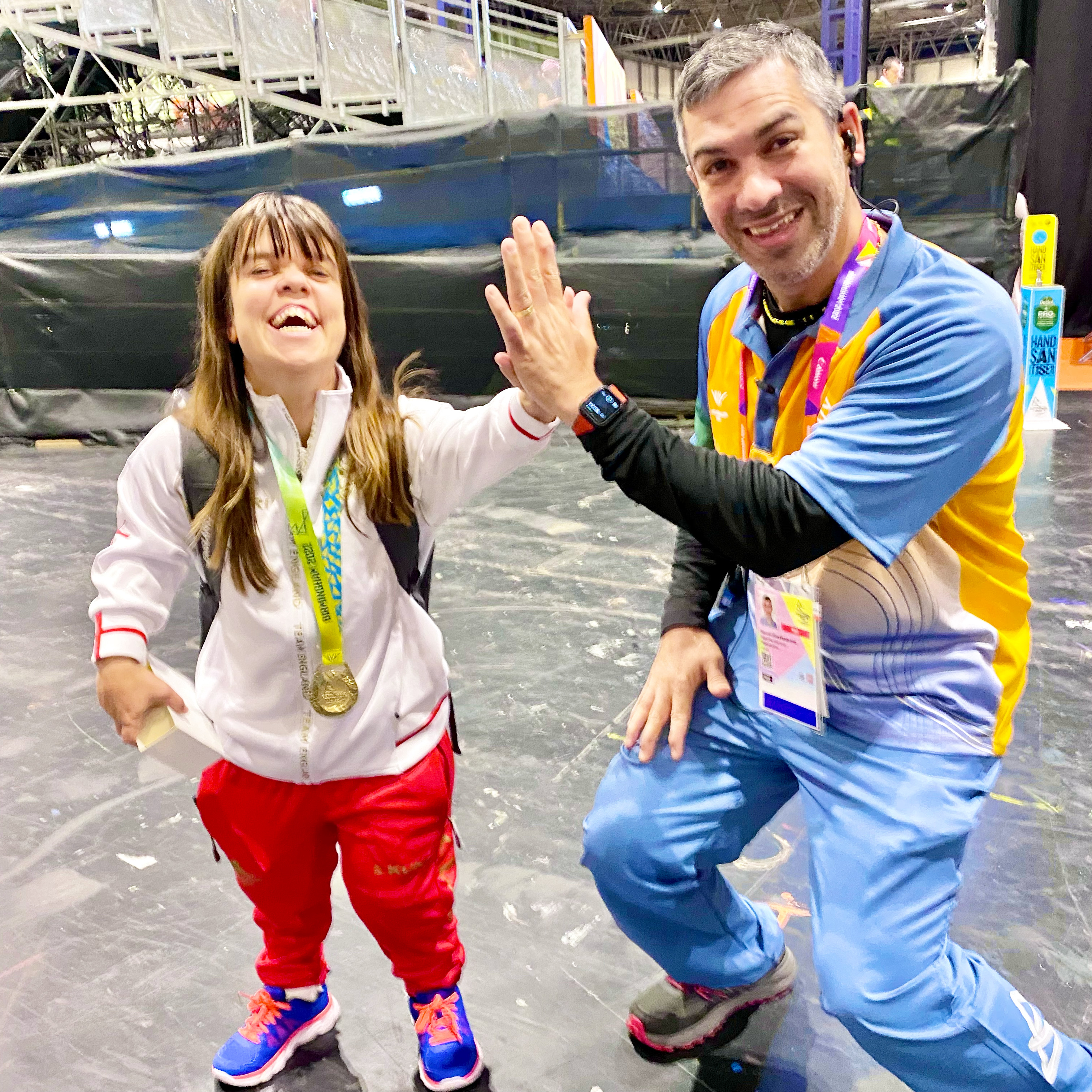
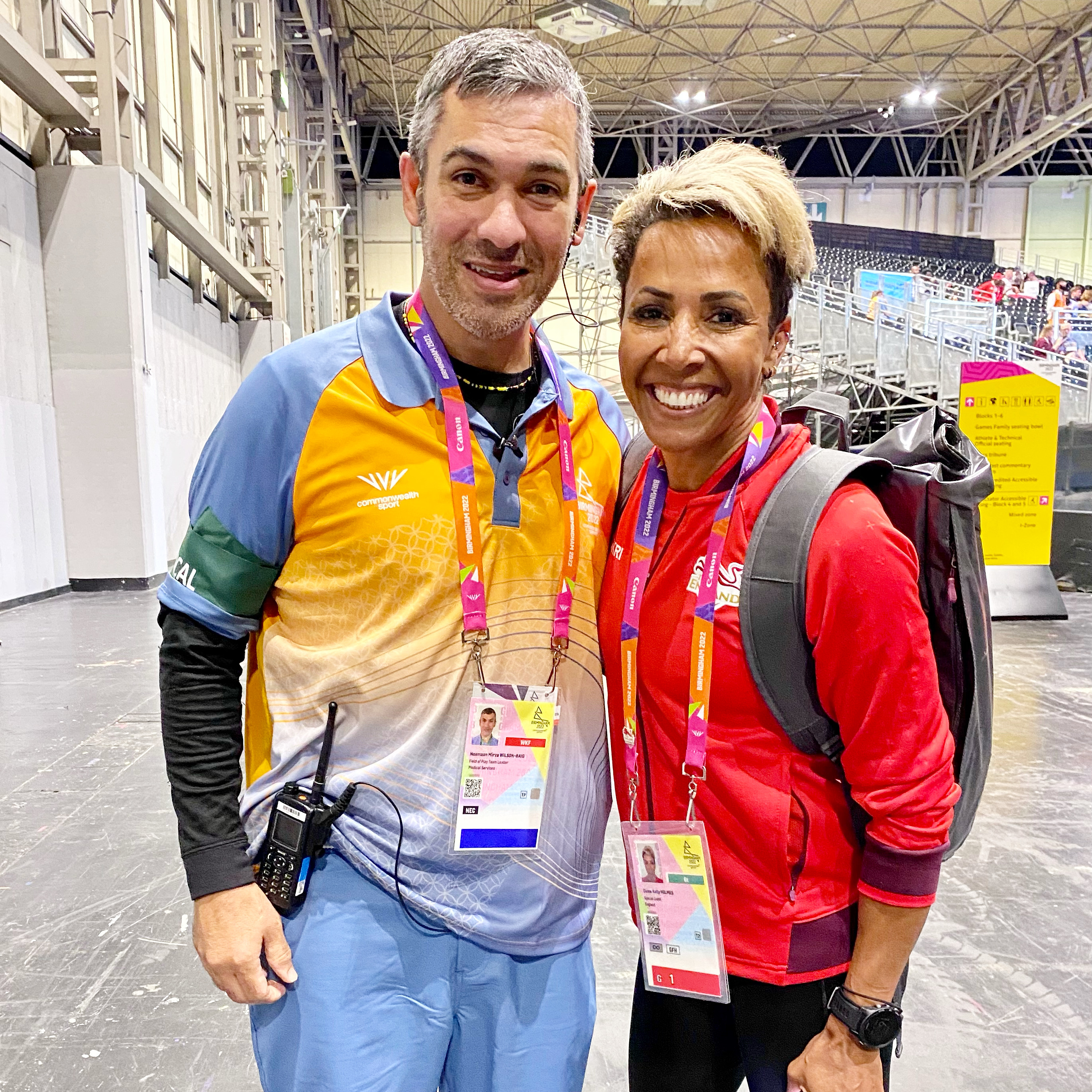
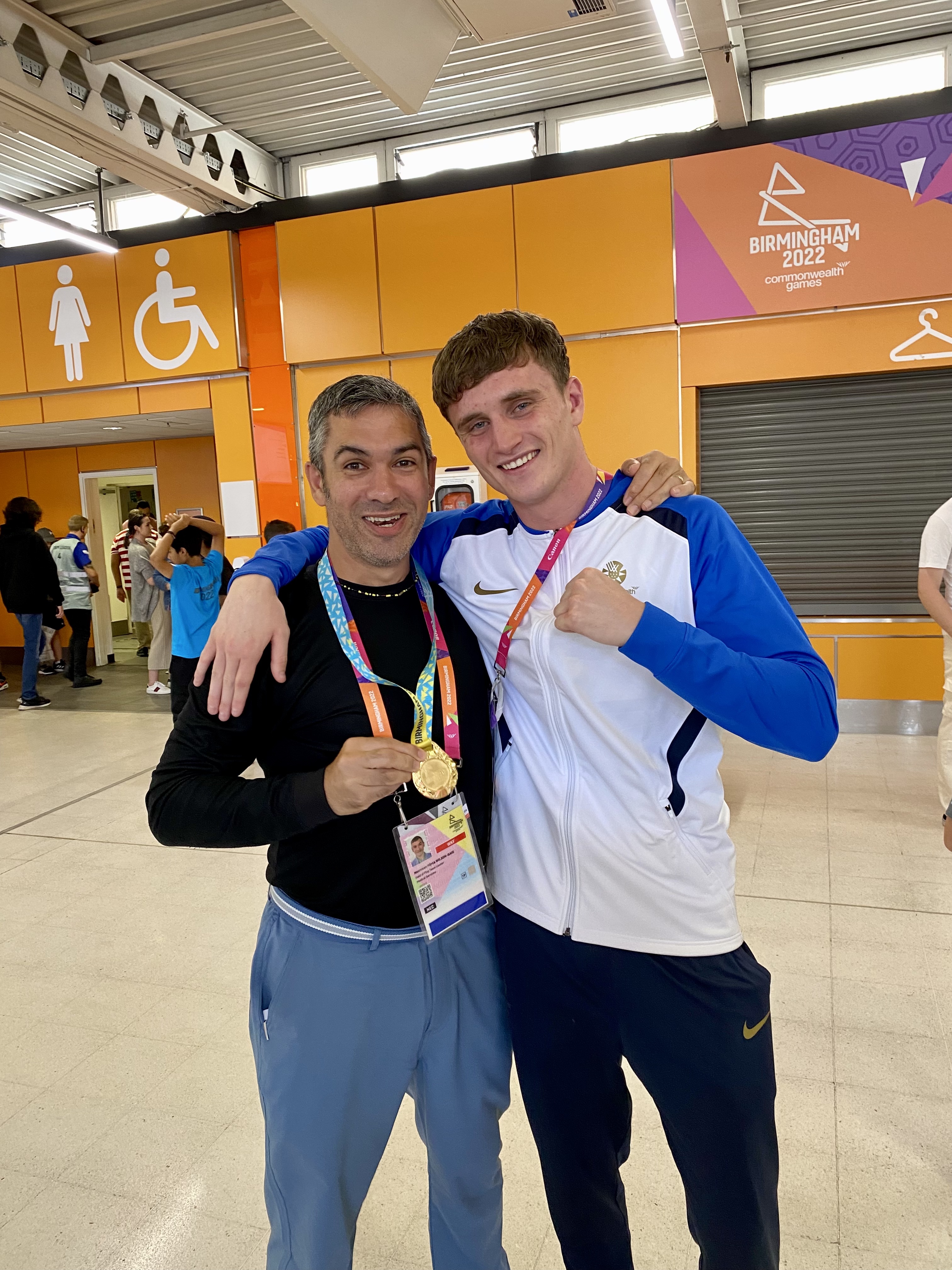
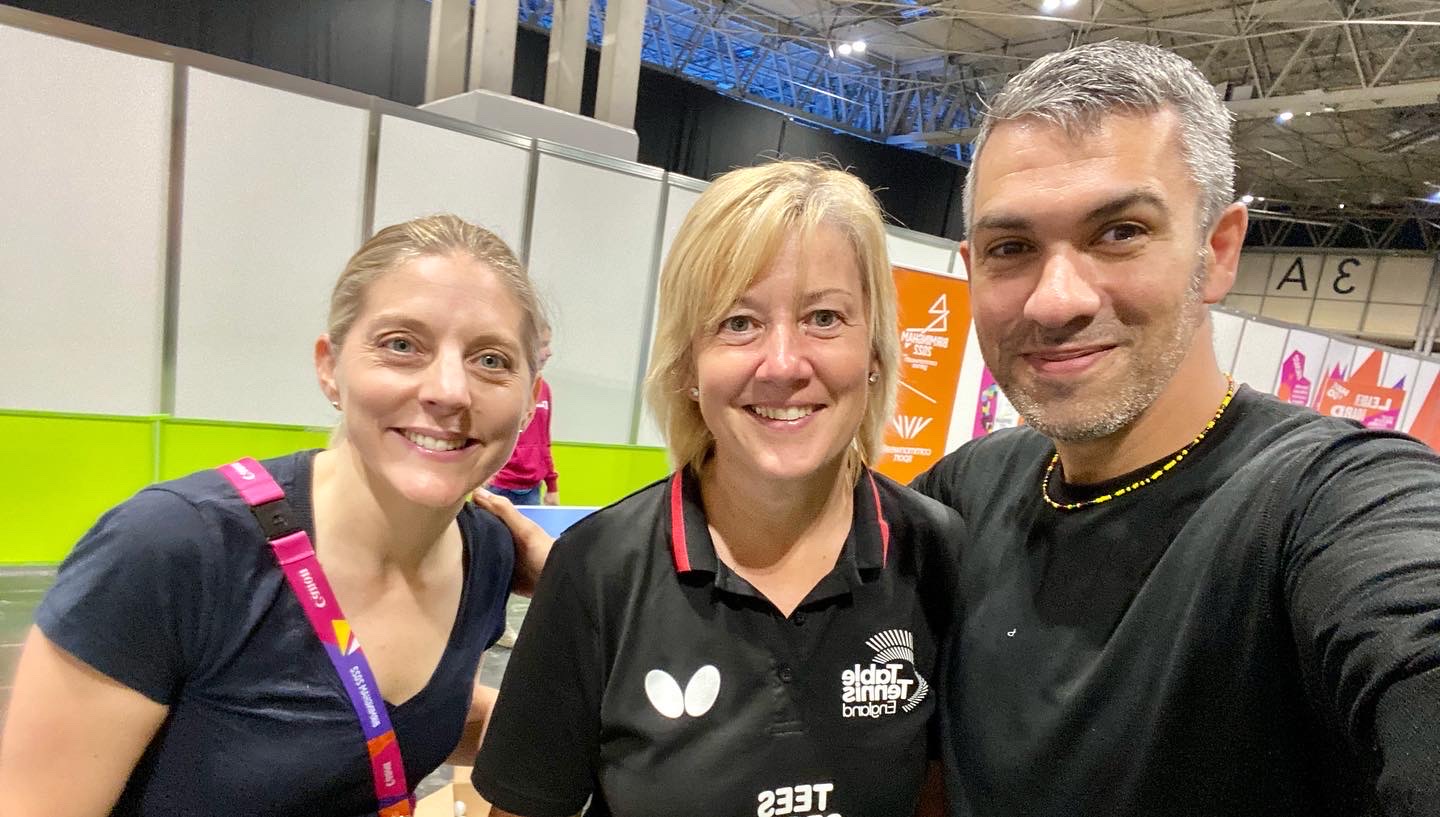
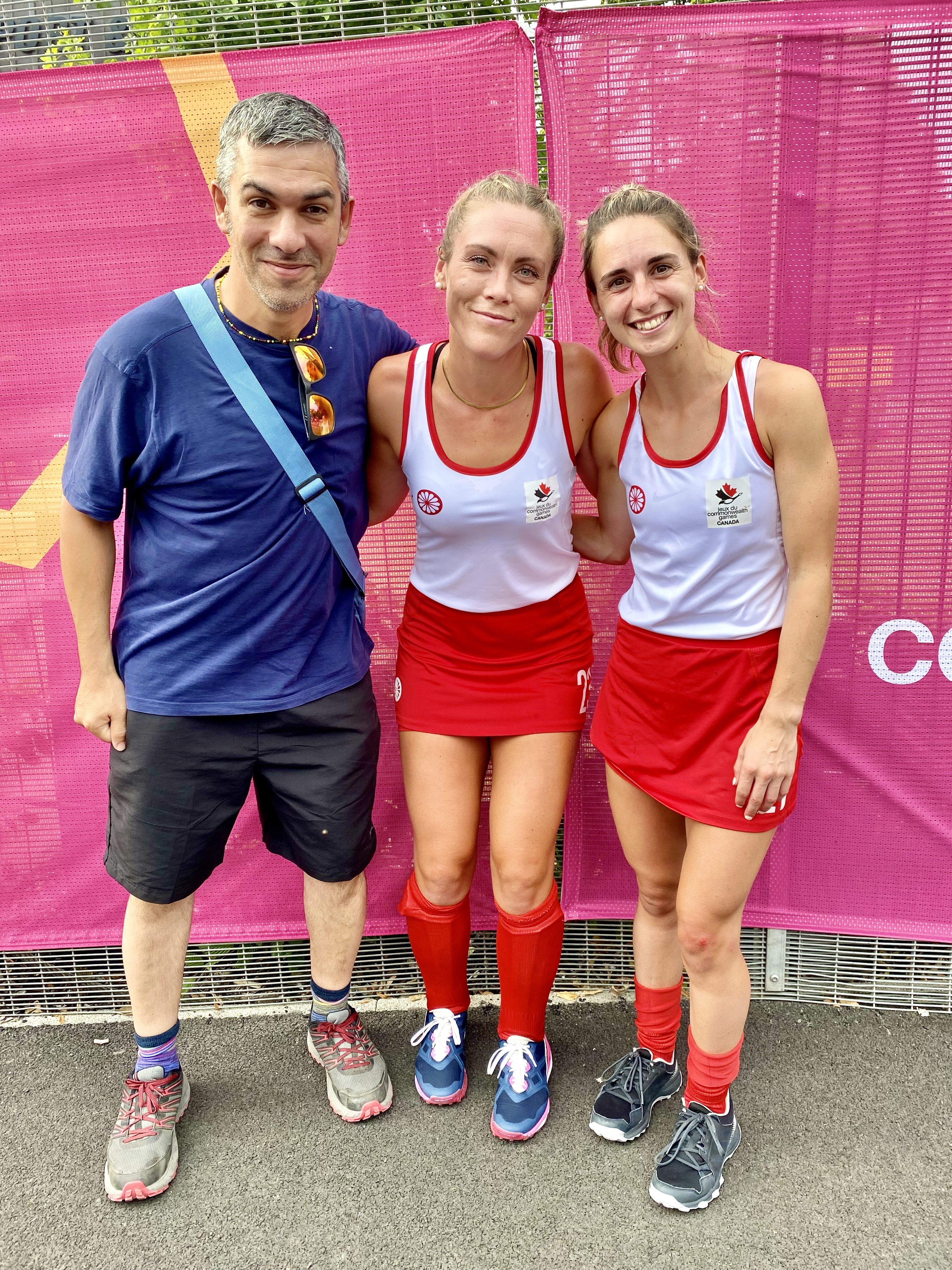
My best memories? Seeing first-class sports, witnessing medal ceremonies, conversing with and having photographs with athletes. The icing on the cake was wearing a gold medal, playing table tennis with a former British table tennis Olympian, meeting with legends like Dame Kelly Holmes and getting to work with and conduct a medical on Perry the Bull. I cannot begin to describe the fulfilment I gained from this unique opportunity and the fantastic memories I have made. It was a bonus to network with other professionals and made lifelong friends. As an added bonus, I met with an old school friend I have not seen since 1990!
I would strongly advise you plan ahead for the logistics and financial implications of volunteering at global events. All I can promise is that you will have the best time ever. Please make the most of your once-in-a-lifetime opportunity; who knows where it may take you

 @LeDyslexicMedic Blog